
Bespoke Western Red Cedar raised beds
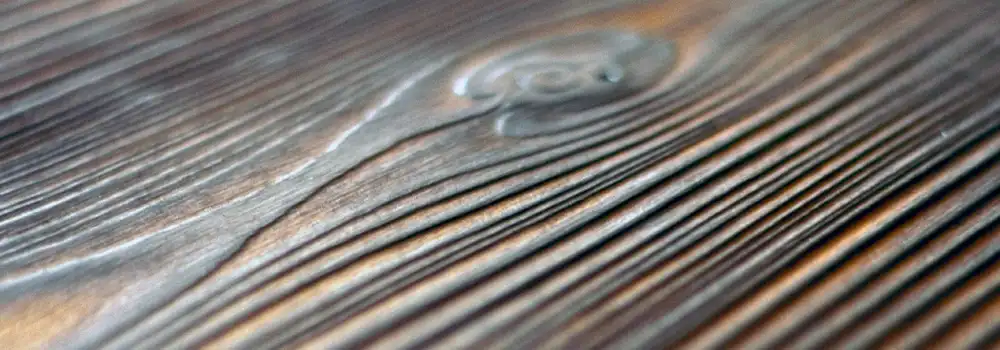
People choose Western Red Cedar raised beds for their durability, stability, and natural beauty. We use true cedar because it is one of the finest outdoor timbers for premium garden structures, then finish each bed by hand through our full Yakisugi process.
Unlike many standard timber beds, our bespoke raised beds are not built around fixed kit sizes or ordinary treated boards. Western Red Cedar gives us a timber that is naturally suited to outdoor use, visually refined, and stable enough to support clean detailing when properly specified.
Key takeaway: Western Red Cedar matters because the timber is part of the performance, not just the appearance. It helps create raised beds that feel refined in the garden, age beautifully, and suit a long-term bespoke design rather than a short-term timber kit.
Why choose Western Red Cedar for raised beds?
Western Red Cedar offers far more than beautiful appearance. It combines natural outdoor durability, dimensional stability, low weight, and a refined surface that responds beautifully to charring, brushing, and oiling.
| Western Red Cedar feature | Why it matters in a raised bed | What it means in the garden |
|---|---|---|
| Natural durability | True cedar contains natural compounds that protect the timber against outdoor moisture and biological decay. | A more suitable timber for long-term garden use than many ordinary treated softwoods. |
| Dimensional stability | Western Red Cedar moves less dramatically as moisture levels change. | Cleaner lines, better detailing, and less stress around joints and fixings. |
| Low weight | It is strong for its weight and easier to handle than many dense outdoor timbers. | Large bespoke raised beds can be made substantial without feeling crude or over-heavy. |
| Yakisugi response | The surface chars and brushes in a way that reveals deep grain and texture. | A distinctive finish with depth, character, and architectural presence. |
| Refined appearance | The timber has a fine grain and warm natural tone beneath the charred surface. | Raised beds that look designed into the garden rather than added as basic containers. |
Western Red Cedar performs well outdoors before any finish is applied. The Yakisugi process then builds on that natural durability, adding surface depth, texture and weathering control rather than disguising an ordinary board.
Is Western Red Cedar durable enough for raised beds?
Yes. Western Red Cedar is one of the best timbers for raised beds because it is naturally durable, stable, and well-suited to outdoor moisture changes. A raised bed is still a demanding environment: the timber sits close to damp soil, faces rain, dries in the sun, and has to hold a heavy growing medium over many seasons.
This is where true cedar earns its place. Western Red Cedar contains natural extractives that help protect the timber from decay, while its stability reduces the movement that can open joints, strain fixings, or make a bed look tired too quickly.

For our raised beds, that natural durability is only the starting point. We use substantial boards, careful construction, and a finish system designed for outdoor life. The result is not just a cedar raised bed. It is a premium timber structure made for long-term garden use.
Does Western Red Cedar work well with Yakisugi?
Yes. Western Red Cedar works especially well with Yakisugi because its grain responds beautifully to controlled charring, brushing, and oiling. The process does not cover the timber with a flat black finish. It changes the surface, removes softer material, and reveals the raised grain beneath.
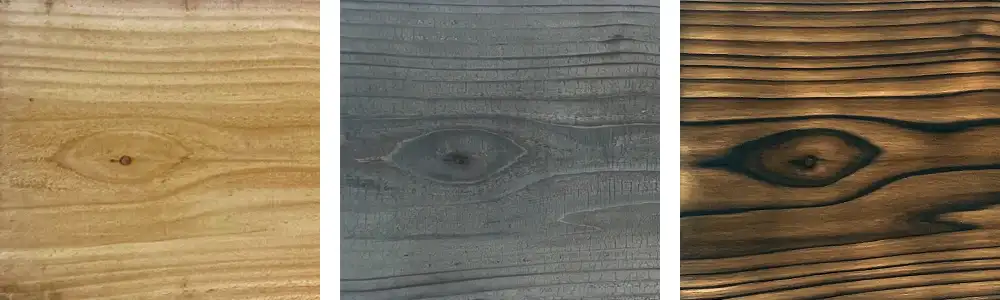
The oiling stage matters because it completes the protection system, not just the appearance. A breathable exterior oil helps the timber shed water, resist UV damage, and reduce fungal risk while still allowing the surface to release moisture rather than trapping it. It also brings out the contrast in the grain, giving the structure a richer, more stable appearance in the garden. For cedar raised beds, Yakisugi and oil work together to turn a naturally durable outdoor timber into something more architectural, tactile, and weather-aware.
Are Western Red Cedar raised beds strong enough?
Yes, when they are properly specified. While Western Red Cedar offers exceptional natural durability and stability, a raised bed still requires the correct board thickness, span, fixings, and corner construction. The timber choice matters, but it does not replace good design.
That is why our Western Red Cedar raised beds are built as long-term garden structures, not decorative timber boxes. Height, length, width, soil volume, and saturated weight all dictate how we engineer the structure. A shallow herb bed and a tall vegetable bed do not place the same demand on the timber.
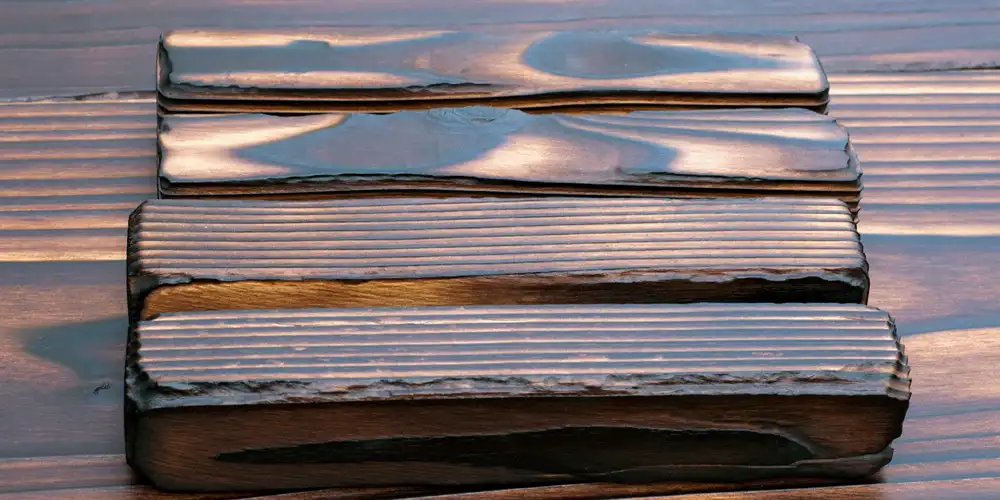
Once the timber is charred and brushed, the finish must suit the altered surface. We use a breathable exterior oil system that helps repel water, resist UV damage, and reduce fungal risk while still allowing the timber to respond naturally to seasonal change.
For larger or taller builds, we can assess the design before construction using beam deflection physics. This helps match the timber specification to the real load the bed will hold, so the final structure suits both the garden and the planting.
Plan your bespoke Western Red Cedar raised bed
You do not need to know every measurement or timber specification before getting in touch. Start with the garden, the height you are considering, and the role you want the raised bed to play.
From there, we can help shape the design around size, soil load, timber thickness, finish, access, and installation. Western Red Cedar gives the bed natural durability and beauty, but the final result comes from matching the material to the garden properly.
The aim is to create a raised bed that looks intentional, feels substantial, and performs as part of the garden for years to come.