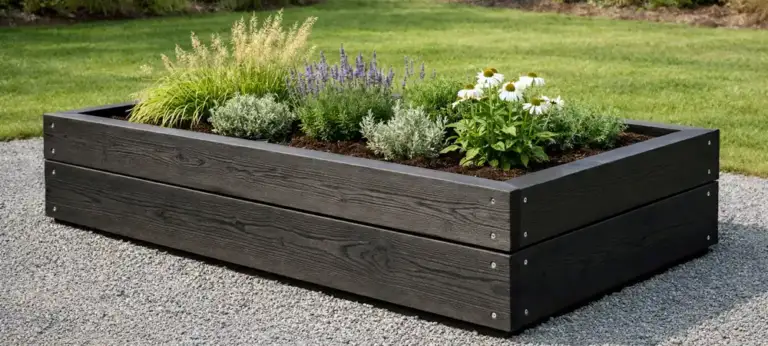
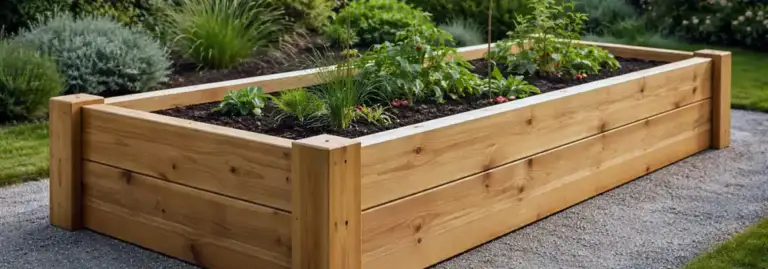
How Dorset shapes our raised bed design
Dorset shapes our raised bed design by teaching us to think about materials, weather, proportion and time. The landscape around us is not just scenery. It influences how we judge timber, how we think about outdoor durability, and why our raised beds are designed to feel grounded in real gardens rather than imposed on them.
That way of seeing connects directly to the way we build our Western Red Cedar raised beds. Timber weathers, grasses bend, water finds its path, and every season leaves a mark. Those observations shape the materials we choose, the finishes we trust and the proportions we build around.
For us, Dorset raised beds should not feel disconnected from the gardens they sit in. They should have presence without shouting, strength without heaviness, and detail that becomes more meaningful over time. That is why our design ethic begins with the landscape, but always returns to the raised bed itself.
Key takeaway: Dorset is the influence behind our raised bed design. The landscape shapes how we think about timber, weathering, proportion and restraint, so the raised beds we make feel settled in real gardens rather than placed on top of them.

How seasonal change shapes raised bed design
Seasonal change shapes raised bed design because a garden is never static. In Dorset, light, colour, growth and exposure alter the character of a place throughout the year. A raised bed has to belong in that changing setting, not only look good at the moment it is installed.



That is why we pay attention to how materials settle into a garden over time. Timber changes tone, planting softens hard edges, shadows move across surfaces and the surrounding landscape shifts from spring growth to summer fullness, autumn colour and winter structure. Good raised bed design should feel considered through all of those stages.

This influences how we think about timber raised beds. We are drawn to materials with natural depth, finishes that can gain character, and proportions that feel calm rather than forced. The aim is not to create a garden object that ignores the seasons, but one that continues to make sense as the garden changes around it.


In Dorset, seasonal change does not feel like a problem to overcome. It is part of the beauty of outdoor life. Our raised beds follow that same idea: they are designed to sit naturally within gardens that grow, weather, soften and change over time.
What nature teaches us about raised bed design
Nature teaches that good design rarely wastes effort. In the Dorset landscape, forms tend to feel fitted rather than forced. Hedgerows follow boundaries that make sense, trees lean with exposure, paths emerge where movement is natural, and plants find space without needing everything to be controlled.
That way of seeing influences our raised bed design. A raised bed should not feel like a hard object dropped into a garden. It should have proportion, purpose and material honesty. It should support planting, define space and bring structure without overwhelming the setting around it.
This is why we value restraint. In our timber raised beds, the grain, charred surface and hand-finished details are allowed to do the work. We do not need unnecessary decoration when the material already has depth, texture and purpose.
Good garden design is often strongest when it feels calm and resolved. Nature shows that strength does not have to be loud. A well-judged raised bed can do the same: hold the space, support the planting and feel as though it belongs.
Why raised beds should feel settled in the garden
A raised bed should add structure without feeling imposed. In a well-designed garden, it does not need to dominate the space to be noticed. It can create order, frame planting and give the garden a stronger rhythm while still feeling calm and appropriate to its setting.
That is why proportion matters so much in raised bed design. A bed that is too heavy, too bright or too visually separate from its surroundings can feel like an object placed on the garden rather than part of it. A better raised bed feels grounded. It has enough presence to define the space, but enough restraint to let the planting, paths and surrounding materials work with it.

This is especially important for timber raised beds. Timber already has grain, warmth and natural variation, so the design does not need to force character onto it. When the material is used honestly, the bed can feel permanent without feeling severe, refined without feeling artificial, and practical without looking purely utilitarian.
For us, this is where Dorset’s influence becomes practical. The landscape teaches that things often feel strongest when they feel as though they belong. Our raised beds follow that same principle: they are designed to support the garden, not compete with it.
How Dorset influences our raised beds
Dorset influences our raised beds by shaping how we see materials, weather, time and restraint. It is not just where we work. It is the landscape that has taught us to value outdoor structures that feel settled, durable and appropriate to their surroundings.
That way of seeing runs through the choices we make. It influences how we judge proportion, why we are drawn to timber, why we use Yakisugi, and why we prefer finishes that work with natural weathering rather than hiding it. Good raised bed design should not feel separate from the garden. It should feel considered within it.
This is why our beds are not designed as generic garden products. They are made to bring structure, material depth and long-term presence to real outdoor spaces. The landscape has shaped our eye, and that eye shapes the work.