What to plant in a raised bed for the long term
Raised bed planting is usually treated as a short-cycle job. Sow, crop, clear, repeat. That works for many beds, but it is not the only way to use them well.
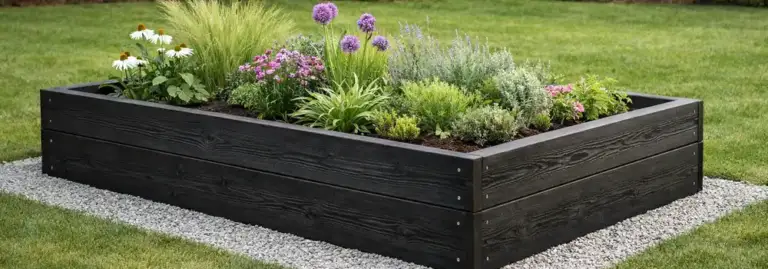
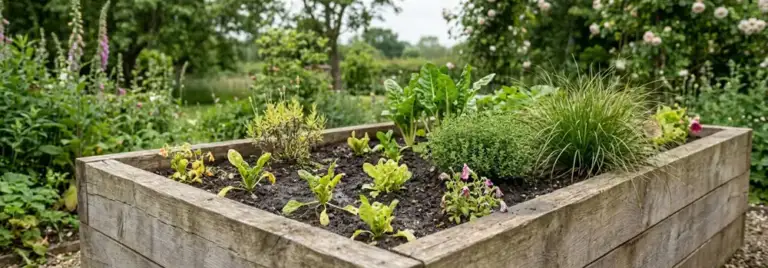
Some raised beds are worth planting for years, not months, especially when they offer enough depth for plants to settle properly over time. Our guide on how deep a raised bed should be explains the depth ranges that support different kinds of planting.
Key takeaway: A raised bed built to last should be planted with time in mind. The best long-term planting focuses on plants that return, settle, and mature over time, including bulbs, herbs, perennials, fruit, and a small number of vegetables worth giving permanent space.
What to plant in a raised bed for the long term
If you are planting a raised bed for the long term, the first decision is not which individual plant to buy. It is which plant categories actually suit a bed that is meant to settle, mature, and keep working over time. The table below gives a quick overview of the main groups worth building around.
| Category | Why it suits long-term planting | Typical role in the bed | Strong examples |
|---|---|---|---|
| Bulbs | They return cleanly without demanding a full reset. | Early colour and seasonal lift through established planting. | Alliums, miniature daffodils, species tulips |
| Herbs | Many are productive, structural, and naturally long-lived. | Evergreen form, scent, edging, and repeat harvests. | Rosemary, thyme, sage, chives |
| Perennials | They settle, spread gradually, and improve with age. | Backbone planting, rhythm, ground cover, and edge-softening. | Lavender, hardy geraniums, salvias, lobelia |
| Fruit | Some fruit benefits from better drainage, control, and access. | Permanent cropping with seasonal return. | Blueberries, strawberries, currants |
| Vegetables worth permanent space | A few vegetables reward patience and dislike disturbance. | Long-term harvests from a stable bed. | Asparagus, rhubarb, globe artichokes |
Not every raised bed needs to be planted this way. Many are still best used for annual crops and regular turnover. But if you want a bed that becomes more settled, more coherent, and often easier to manage over time, these are the plant categories worth building around.
Bulbs for long-term raised bed planting
Bulbs are one of the simplest ways to make a raised bed feel established without turning it back into a cycle of constant replanting. They return at the same point each year, give the bed a clear seasonal lift, and then retreat again without asking for a full reset.
| Bulb type | Why it works long term | Best use in the bed | Watch-outs |
|---|---|---|---|
| Alliums | Return reliably and add height without taking much ground space. | Threaded through herbs or perennials for late-spring structure. | Need decent drainage and can look sparse if scattered too thinly. |
| Miniature daffodils | Give dependable early colour and naturalise more gently than larger types. | Front edges, pockets between perennials, or repeated clusters. | Best in restrained groups, not mixed randomly everywhere. |
| Species tulips | More likely to return than larger bedding tulips and sit better in mixed planting. | Small drifts through sunny, well-drained beds. | Many tulips fade out if the soil stays too wet or crowded. |
The real advantage of bulbs in a long-term raised bed is that they do not compete with the main structure for long. They emerge early, flower, and then disappear back below ground, leaving herbs, perennials, fruit, or long-term vegetables to carry the bed through the rest of the season. That makes them one of the easiest ways to build seasonal recurrence into a stable planting scheme.
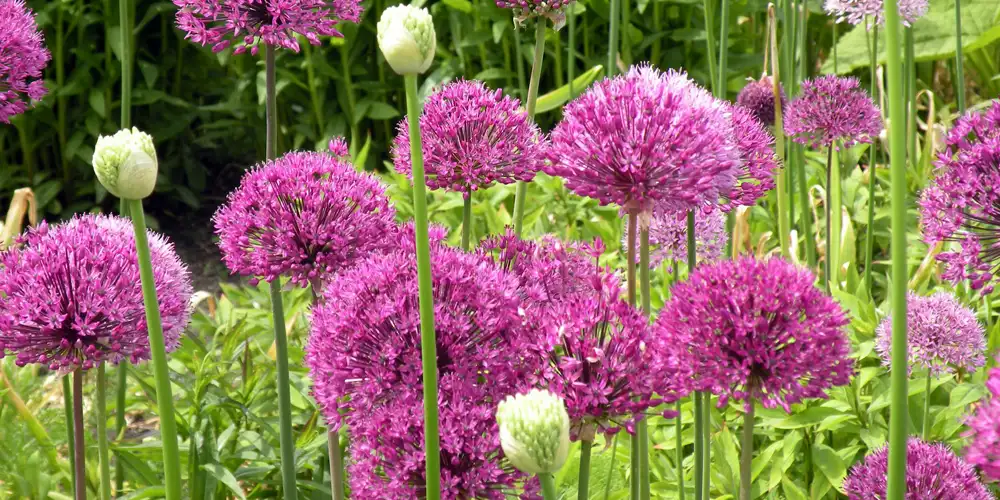
Used well, bulbs make a raised bed feel more alive without making it more complicated. They are not the backbone of the bed, but they are often the hidden layer that keeps a long-term planting scheme from feeling flat in spring.
Herbs for long-term raised bed planting
If bulbs are the hidden seasonal layer, herbs are often the permanent skeleton. They stay in place for longer, hold their shape more clearly, and give a raised bed structure even when little else is happening.
| Herb type | Why it works long term | Best use in the bed | Watch-outs |
|---|---|---|---|
| Rosemary | Evergreen, structural, and naturally suited to drier, well-drained conditions. | Anchor plant, corner structure, or upright contrast among softer planting. | Can become woody and oversized if not given enough room. |
| Thyme | Long-lived, low, and useful for softening hard edges. | Front edges, path-side planting, or spilling gently over the rim. | Needs light and drainage; can thin out in heavy shade or wet soil. |
| Sage | Holds colour and structure well, with a stronger visual presence than many herbs. | Mid-layer structure, foliage contrast, and repeat harvests. | Can get leggy with age and benefits from renewal or light restraint. |
| Chives | Return reliably, stay compact, and bridge edible and ornamental planting. | Pockets between perennials, edging, or repeated clumps for rhythm. | Flower heads can spread if left everywhere to self-seed. |
Herbs work well in long-term raised bed planting because many of them earn their place in more than one way. They can give structure, scent, edible use, and seasonal interest without needing the bed to be remade around them. That makes them far more useful than filler.
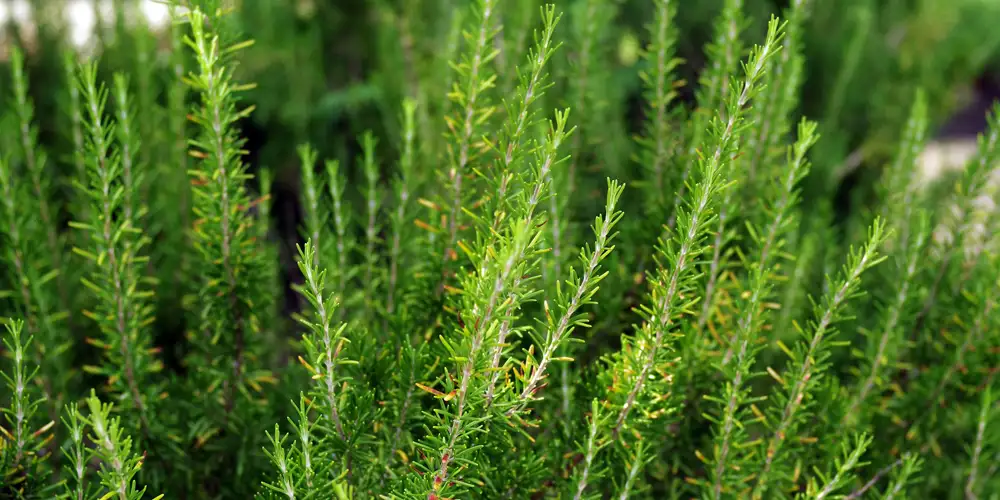
They also help a raised bed feel settled. Rosemary can hold a corner, thyme can soften an edge, sage can add foliage contrast, and chives can repeat through the planting without making it feel busy. If you want to explore this category more deeply, our guide to herbs for raised beds goes further into which ones suit different uses.
Perennials for long-term raised bed planting
If herbs give a raised bed structure, perennials help it knit together. They settle into the spaces between stronger anchors, soften the outline, and make the bed feel more coherent with age rather than more broken up.
| Perennial type | Why it works long term | Best use in the bed | Watch-outs |
|---|---|---|---|
| Lavender | Long-lived, aromatic, and naturally suited to sunny, free-draining beds. | Repeated structure, edging, or soft evergreen framework. | Can become woody or split if crowded or left unchecked for too long. |
| Hardy geraniums | Reliable, gap-filling, and useful for covering bare soil over time. | Ground cover, weed suppression, and joining up the planting. | Some varieties spread more strongly than expected if never edited. |
| Salvias | Long-flowering and strong enough to give rhythm without feeling heavy. | Repeated drifts through mixed planting for colour and structure. | Need enough light and drainage to avoid becoming weak or short-lived. |
| Lobelia | Useful for softening edges and breaking up the harder outline of the bed. | Front edges, spill points, or lower pockets in mixed planting. | Best chosen carefully, as some lobelias are shorter-lived than others. |
One of the most useful things perennials do in a long-term raised bed is reduce the feeling of interruption. Instead of leaving bare gaps, they help the planting join up, soften the timber edges, and suppress some of the low-level maintenance that comes from exposed soil and constant patching.
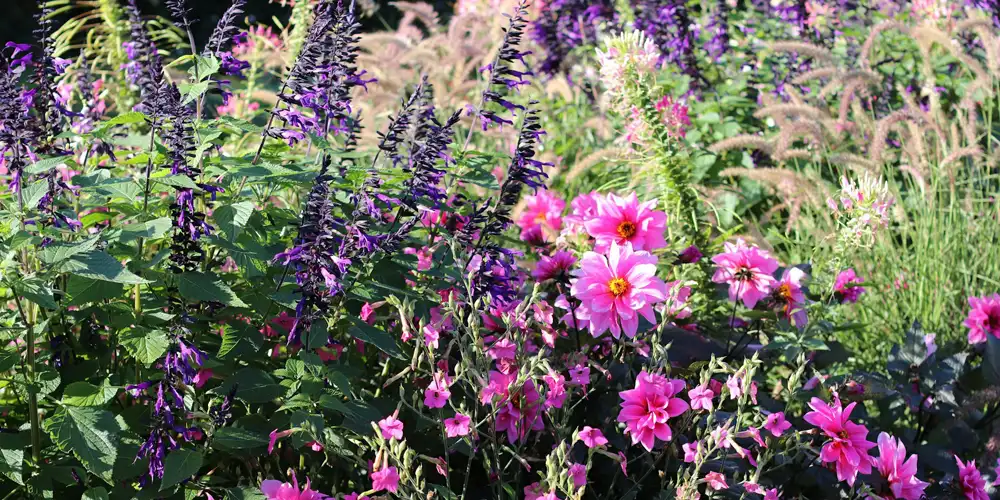
That is why ground-covering and gap-filling perennials matter so much. They are not just decorative. They help a raised bed feel settled. Hardy geraniums are especially useful here, but the wider point is that perennial options are almost limitless. The best choices are the ones that quietly join the planting up, soften the structure, and make the bed feel more complete over time.
If you want to go deeper into this category, our guide to perennials for raised beds looks more closely at which perennial types suit different long-term roles.
Fruit for long-term raised bed planting
Fruit earns permanent space in a raised bed when the bed gives it something the open ground cannot. That might be better drainage, easier picking, cleaner fruit, or tighter control over the soil itself.
| Fruit type | Why it works long term | Best use in the bed | Watch-outs |
|---|---|---|---|
| Blueberries | Raised beds make it easier to create and maintain the acidic soil they need. | Permanent feature in a bed built around soil control and repeated harvests. | Do not suit ordinary alkaline mixes and need the right soil from the start. |
| Strawberries | Raised planting keeps fruit cleaner, easier to reach, and often easier to manage. | Front edges, repeated pockets, or dedicated lower planting zones. | Can spread quickly by runners if never thinned or redirected. |
| Currants | Reliable long-term croppers that justify a stable place in the planting. | Permanent productive shrubs in larger raised beds. | Need enough room and can overpower smaller planting if squeezed in too tightly. |
Blueberries are the clearest example of why fruit belongs in this article. They do not just happen to survive in a raised bed. They can actively benefit from one, because the bed lets you control acidity and drainage far more precisely than most open ground. That makes the raised bed part of the solution.
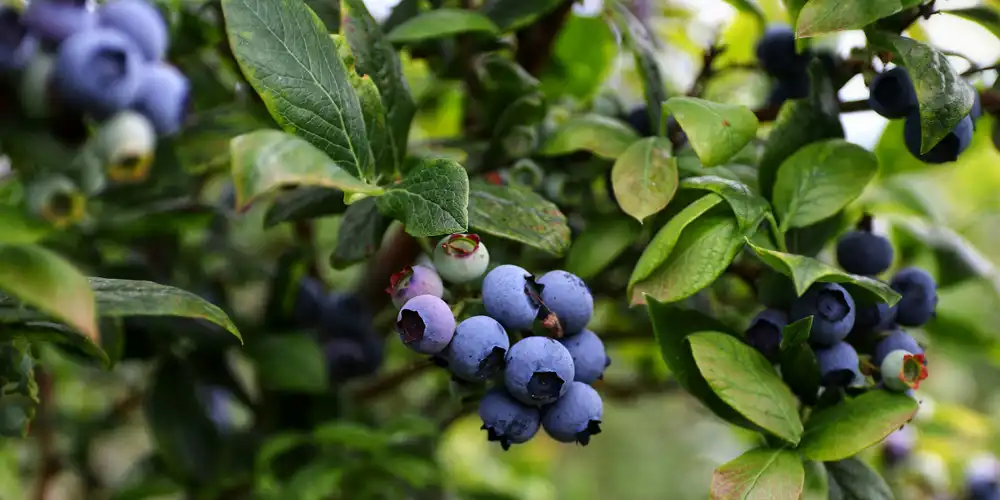
Other fruit crops earn their place for different reasons. Strawberries stay cleaner and easier to pick when raised, while currants can become stable, productive features in a bed that has enough space to carry them properly. The common thread is that these are not throwaway crops. They are plants worth building around when the conditions suit them.
Vegetables worth planting for years, not weeks
Most vegetables are treated as the temporary part of a raised bed. Sow them, harvest them, clear them, and start again. But a few are at their best when given permanent space, because they reward patience rather than turnover.
| Vegetable | Why it works long term | Best use in the bed | Watch-outs |
|---|---|---|---|
| Asparagus | Dislikes disturbance and can crop for many years once established well. | Permanent bed or dedicated section where the roots can settle deeply. | Needs patience, depth, and a bed you are not going to rework every season. |
| Rhubarb | Becomes more productive with time and suits a stable, long-term position. | Permanent corner or larger bed with enough room for mature growth. | Needs space and can dominate a small bed if treated like a compact crop. |
| Globe artichokes | Architectural, productive, and more at home in settled planting than constant reset systems. | Feature plant in a larger raised bed with room around it. | Too large and dominant for many small beds. |
This is where long-term raised bed planting becomes most eye-opening. Some vegetables do not just tolerate permanence. They need it. Asparagus is the clearest example. It improves once the roots are left alone, which makes a stable raised bed far more suitable than one that is emptied, dug over, or replanted every year.
Rhubarb works for a similar reason. It is not a quick crop, but a plant that earns its place over time. Given enough room, it becomes a reliable long-term harvest rather than a seasonal experiment. Globe artichokes push the idea further still, because they bring both productivity and visual presence, but only in beds large enough to carry them properly.
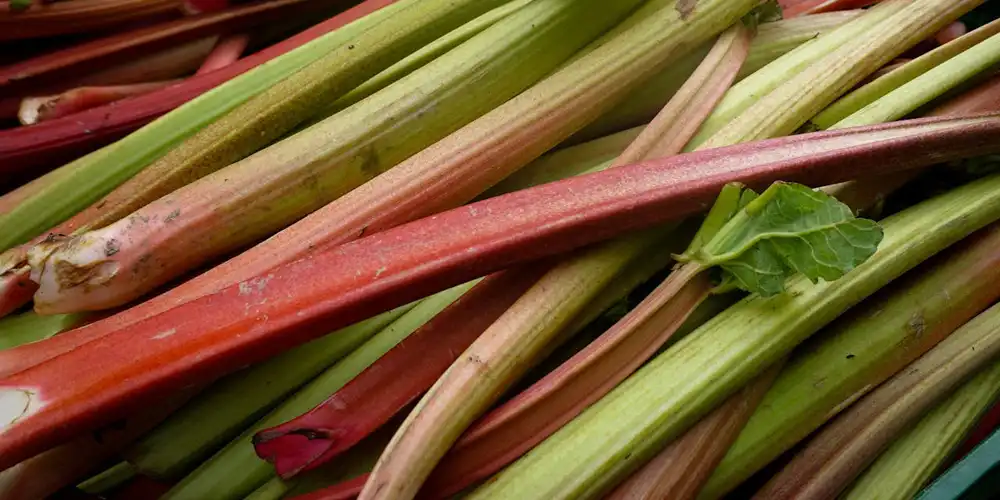
These are not vegetables for a short-cycle mindset. They are vegetables for gardeners willing to let a raised bed settle and become more productive with age.
What not to use as the backbone of a long-term raised bed
Long-term raised bed planting is not about banning annuals or short-term crops. It is about not letting them define the whole bed. Some plants are excellent in the right place, but they usually pull a raised bed back toward turnover, exposed soil, and constant reset if they become the main event.
| Plant type | Why it struggles as the backbone | What it tends to create | Better long-term role |
|---|---|---|---|
| Short-cycle salads | Fast harvests leave gaps that need refilling again and again. | Patchiness, exposed soil, and a bed that never really settles. | Use as seasonal fillers within a more permanent structure. |
| Maincrop potatoes | Harvesting disturbs the soil too heavily for a bed meant to mature over time. | Repeated digging, disruption, and loss of continuity. | Grow in dedicated turnover beds rather than permanent ones. |
| Large sprawling annuals | They can dominate quickly without contributing lasting structure. | A bed that looks full briefly, then collapses back into emptiness. | Use sparingly as temporary companions, not the framework. |
| Over-vigorous spreaders | They can overwhelm smaller long-term planting if given free rein. | Competition, imbalance, and a bed that becomes harder to edit. | Choose calmer gap-fillers and repeatable perennials instead. |
The important distinction is not good plants versus bad plants. It is backbone plants versus temporary plants. A long-term raised bed works best when the permanent structure comes first, and the shorter-lived planting fits around it rather than constantly replacing it.
That is why annual salads, heavy-lifting crops, and sprawling seasonal plants still have a place, but not usually as the defining layer. Used well, they can add flexibility and harvests. Used badly, they pull the whole bed back into a cycle of interruption.
How to combine these categories in one bed
A long-term raised bed works best when it is layered rather than packed. The most stable versions usually combine a few anchor plants, a joining layer that knits the bed together, and a seasonal layer that brings lift without forcing a reset.
| Layer | What it does | Good examples |
|---|---|---|
| Anchors | Give the bed structure, permanence, and a stronger outline through the year. | Rosemary, lavender, blueberries |
| Knitters | Join the planting up, soften the timber edges, and reduce exposed gaps. | Hardy geraniums, thyme, salvias |
| Hidden layer | Add seasonal lift and recurrence without disrupting the long-term structure. | Alliums, miniature daffodils, species tulips |
Not every raised bed needs all three in equal measure, but the principle is simple. Build around what stays, then let the lighter layers work through it. That is what makes a bed feel planted rather than filled.
This is also where raised beds start to look less like boxes and more like part of the garden. Anchors hold the shape, knitters soften the outline, and the hidden layer stops the bed from feeling flat at one moment and empty at the next.
Why what you plant in a raised bed for the long term gets easier with time
The best long-term raised beds are not built around constant reset. They are built around plants that return, settle, and earn their space over time. Once that shift is made, the bed starts to feel less like a seasonal project and more like a planted part of the garden.
That is the real promise of long-term raised bed planting. It should become easier, not harder, as the years go by.