How to attract bees and butterflies in a small garden
If you want to know how to attract bees and butterflies in a small garden, the answer is not simply to add more flowers. Small spaces work best when planting is deliberate, easy for pollinators to find, and structured to offer food, shelter, and continuity over time.
That applies whether you have a compact garden, a courtyard, a patio, a balcony, or one of our premium raised beds. The most successful pollinator-friendly spaces are not the busiest or most crowded. They are the ones that make smart use of limited room, repeat useful plants, and give insects reliable reasons to return.
This guide explains how to attract bees and butterflies in a small garden using better planting, better layout, and a few practical design choices that make a real difference.
Key takeaway: If you want to attract bees and butterflies in a small garden, focus less on cramming in flowers and more on making the space easy to use. Grouped planting, longer flowering, shelter, water, and a calmer layout usually do more than trying to fit in as many different plants as possible.
How to attract pollinators in different small garden spaces
Small gardens are not all constrained in the same way. A balcony has very different limits from a courtyard, and a raised bed behaves differently from a row of pots. The principle is the same in each case, though: give pollinators something easy to find, easy to return to, and worth using for more than a brief burst of colour.
| Space | What works best | Main constraint | Best pollinator strategy |
|---|---|---|---|
| Small garden | Grouped planting, longer flowering, and a clear layout | Limited room means every plant has to earn its place | Use repeated planting groups and keep something useful flowering across more of the year |
| Patio | Pots, planters, and vertical planting near sunny edges | Hard surfaces can make the space hotter, drier, and more exposed | Use containers with reliable flowering plants, add water nearby, and soften the space with layered planting |
| Courtyard | Sheltered planting with height, repetition, and some shade tolerance | Light can be uneven and airflow can be restricted | Choose plants that cope with mixed conditions and use climbers or taller plants to make more of the vertical space |
| Balcony | Compact containers, vertical support, and a small number of hard-working plants | Wind exposure, shallow growing space, and weight limits | Choose fewer plants with long flowering periods, group them tightly enough to read as one stop, and avoid clutter |
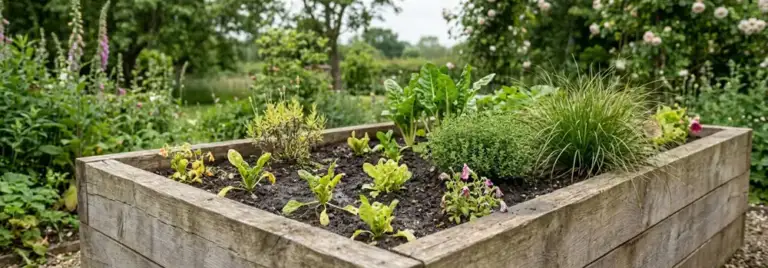
| Raised bed | Deliberate planting with better soil control, drainage, and structure | Overfilling the bed can reduce access, airflow, and long-term stability | Use the controlled growing conditions to build a layered, repeatable planting scheme that matures well over time |
| Containers and planters | Portable, flexible planting built around a few dependable species | Soil dries out faster and flowering can become short-lived without care | Prioritise reliable plants, steady watering, and seasonal sequence rather than trying to fit in too many varieties |
What attracts bees and butterflies to a small garden
Bees and butterflies are attracted to small gardens that are easy to read and worth revisiting. In practice, that means visible groups of flowers, a layout that does not feel chaotic, some shelter from wind, and enough continuity for the space to stay useful beyond a short peak. A tiny garden can support plenty of activity, but only if the planting is clear rather than crowded.
Flowers still matter, of course, but not just as isolated bursts of colour. Pollinators usually respond better when plants are repeated, flowering overlaps across the season, and the wider space offers calm, moisture, and places to pause. In a small garden, these details matter more because there is less room for wasted planting and fewer chances to get the layout wrong.
The best layout and planting methods for pollinators in a small garden
In a small garden, layout matters almost as much as plant choice. Pollinators respond better to spaces that feel legible, sheltered, and worth returning to, which means arrangement, repetition, and restraint often matter more than squeezing in extra varieties. A small garden usually works best when it feels deliberate rather than full.
The aim is not to create constant colour in every corner. It is to make the space easier for bees and butterflies to use by grouping useful plants, building some height, and keeping enough structure for the garden to stay valuable across more of the year. In a small garden, good planting design is really about making limited space work harder without making it harder to read.
| Principle | Why it helps pollinators | What it looks like in a small garden | What to avoid |
|---|---|---|---|
| Grouped planting | Larger blocks of the same flower are easier to spot and use than isolated single plants | Repeat a few reliable plants in visible clumps rather than scattering one of everything | Dotting small flowering plants randomly through the space |
| Vertical layering | Height increases nectar and shelter without using more ground space | Use climbers, taller flowering stems, or a trellis to add another working layer | Keeping everything at one level and relying only on footprint |
| Repeated forms | Consistency makes the garden easier for pollinators to read and revisit | Use the same plant or flower shape more than once so the space feels familiar | Filling a small garden with too many unrelated plant types |
| Sequence through the year | Overlapping flowering periods keep the garden useful for longer | Combine early, mid, and late-season plants so there are fewer empty gaps | A short burst of colour followed by long quiet periods |
| Shelter and calm | Pollinators feed more confidently where there is less wind, more cover, and places to pause | Use foliage, corners, stems, a flat stone for basking, or a shallow water dish with pebbles | Exposed layouts with no shelter, no water, and nowhere to pause |
| Not overstuffing the space | Clear access, airflow, and plant stability usually matter more than maximum density | Choose fewer plants, space them for maturity, and let the garden fill gradually | Cramming in too many plants so flowers become hidden and the layout feels chaotic |
Best plants to attract bees and butterflies in a small garden
The best plants for a small pollinator-friendly garden are not always the most dramatic. They are the ones that flower reliably, earn their space, and help keep the garden useful across more than one short peak. In a small garden, plant choice works best when each plant has a clear role, whether that is long flowering, early support, late support, or adding height without taking up much footprint.
| Plant | Best for | Why it works for pollinators | Best use in a small garden |
|---|---|---|---|
| Lavender | Long flowering and repeat visits | Highly visible, nectar-rich, and easy for bees and butterflies to find when planted in groups | Use in sunny borders, raised beds, or larger containers with free-draining soil where it can form a repeated block |
| Catmint (Nepeta) | Long flowering and soft structure | Flowers generously over a long period and helps create the kind of loose, sheltering planting pollinators use confidently | Use along bed edges or paths where it can soften the layout without overcrowding the space |
| Hardy geranium | Reliable filler and season length | Provides a long useful period of flower while knitting planting together and reducing exposed gaps | Use between stronger flowering plants to make the garden feel fuller without becoming chaotic |
| Salvia | Mid-season colour and bee activity | Strong flower colour and repeated spikes make it easy for pollinators to spot and revisit | Use in sunny groups with free-draining soil where vertical flower spikes can repeat through the planting |
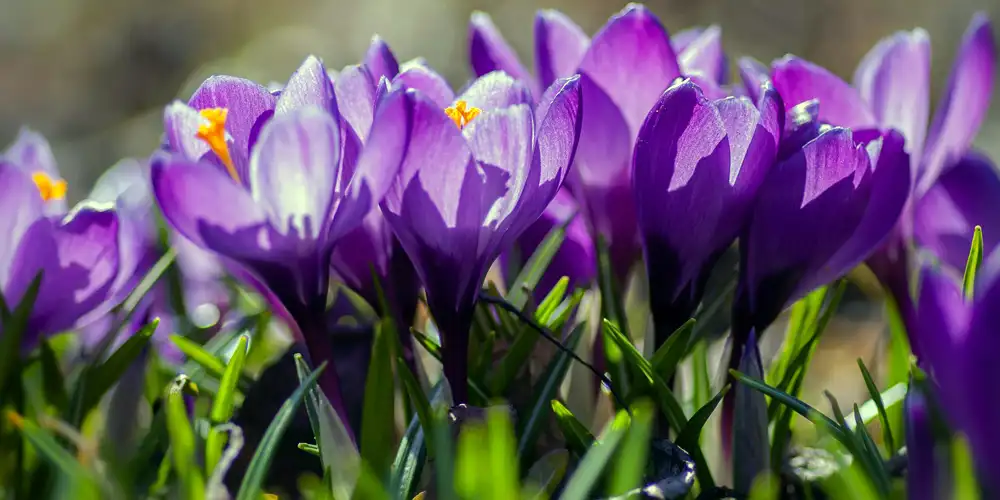
| Crocus | Early-season support | Offers one of the first useful food sources when little else is available | Use in pockets through a border or raised bed where early activity is needed without taking permanent space |
| Hellebore | Very early support and sheltered planting | Flowers early and suits gardens where light is mixed rather than fully open and exposed | Use in courtyards, shaded edges, or calmer corners where other early plants may struggle |
| Sedum (Hylotelephium) | Late-season support | Provides valuable late nectar when many earlier plants are fading | Use in sunny, drier spots where you need the garden to stay useful later in the year |
| Ivy | Late-season support and shelter | Flowers when little else is left and also contributes structure and cover | Use carefully on walls, fences, or boundaries where vertical space can be made productive |
| Verbena bonariensis | Height without heaviness | Its open structure allows movement through the planting while still adding a strong vertical layer | Use among lower plants to add height and visibility without blocking access or light |
| Honeysuckle | Climbers and vertical space | Adds flower, scent, and shelter while making walls, fences, or trellises useful to pollinators | Use where the garden is short on footprint but can grow upward instead |
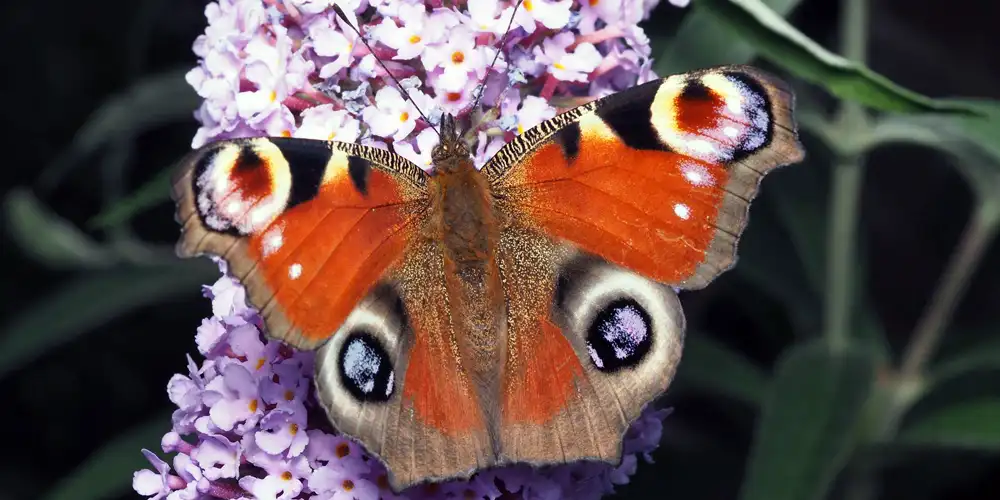
| Buddleia | Butterfly attraction and vertical impact | Produces highly visible flower clusters that butterflies readily find and return to | Use only where there is enough room to manage its size, or choose a compact form for tighter spaces |
| Allium | Repeated form and seasonal structure | Clear flower shapes and repeated heads make the planting easier for pollinators to read | Use in repeated drifts through a bed to connect other planting rather than as isolated accents |
What small gardens need besides flowers to support pollinators
Flowers are only part of the answer. A small garden that attracts pollinators well usually offers more than nectar alone, giving insects shelter, moisture, warmth, and small areas that are left slightly less managed. Bees and butterflies may be the headline, but healthier small gardens also support hoverflies, moths, beetles, and other insects that help the space function better over time.
In practice, that can be as simple as a shallow dish of water with pebbles, foliage that creates calmer pockets, old stems left a little longer, and corners that are not constantly disturbed. In a small garden, these details matter because there is less room for waste and fewer chances to get the balance right.
Insect hotels can help in some small gardens, but they work best when flowers, shelter, and undisturbed corners are already doing most of the work.
Why raised beds work well for pollinator planting in small gardens
Raised beds work well for pollinator planting in small gardens because they make the growing conditions easier to control, from soil structure and drainage to spacing and layout, making it easier to build a planting scheme that stays useful instead of becoming messy, crowded, or short-lived.
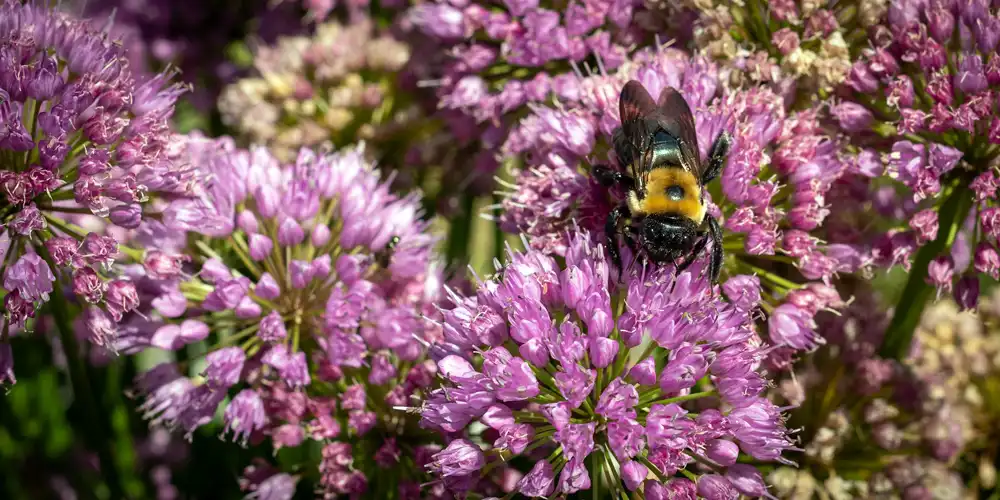
That matters in a small garden because reliability is part of attraction. Pollinators return more confidently to spaces that keep working, and raised beds can help create that stability by making plant choice and long-term structure easier to manage. They also use limited space well, especially when the bed is planted in repeated groups and supported with height rather than stuffed with too many competing plants.
Used well, a raised bed is not just another place to grow flowers. It is one of the clearest ways to build a compact pollinator-friendly planting area that is easier to maintain, easier to read, and more dependable over time.
Why bees and butterflies stop visiting small gardens
When bees and butterflies stop visiting a small garden, the problem is often not a complete lack of flowers. More often, the space has become harder to use. Flowering may be too brief, planting may be too scattered, or the garden may have been tidied so thoroughly that shelter, moisture, and calmer pockets have disappeared.
Small gardens are less forgiving because every plant and every gap matters more. A space can look colourful to us while offering very little continuity to pollinators. If flowers come in short bursts, useful plants are hidden, or the layout feels exposed and constantly reset, bees and butterflies have fewer reasons to return.
How to keep pollinators coming back year after year
If you want to know how to attract bees and butterflies in a small garden for more than one short season, the answer is consistency. Keep reliable plants in repeated groups, keep flowering moving across more of the year, and avoid redesigning the space every time it starts to settle.
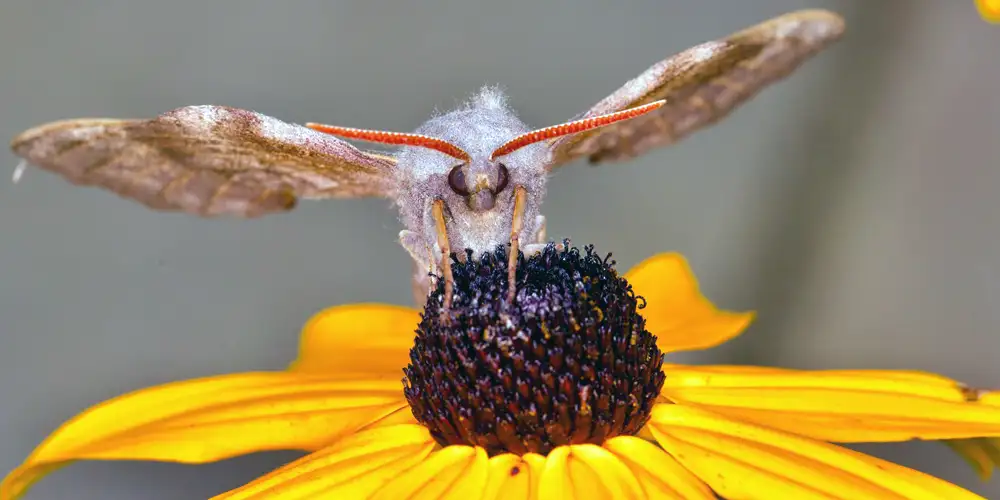
That applies whether the space is a border, a balcony, a patio, or a raised bed. Pollinators return more confidently when a small garden stays readable, useful, and calm. In practice, that usually means fewer better plants, less unnecessary disturbance, and a layout that improves as it matures rather than needing to be reset.
Why small pollinator gardens work best when they are deliberate
You do not need a large plot to support real pollinator activity. If you want to know how to attract bees and butterflies in a small garden, the answer is usually not more plants or more clutter, but a space that is easier to find, easier to use, and worth returning to.
That means grouped planting, longer flowering, shelter, water, and a layout that stays readable as it matures. Whether the space is a border, a balcony, a patio, or a raised bed, small gardens work best when every part of the planting has a job. Get that right, and even a limited space can become somewhere bees, butterflies, and other pollinators keep coming back to.