Best perennials for raised beds: what works and why
The best perennials for raised beds are usually the ones that hold their shape, return reliably, and stay worth having once the bed settles in. The real winners are not always the showiest in year one. They are the plants that cope well with the sharper drainage, defined space, and visible structure of a raised bed without spreading too aggressively or turning into constant maintenance.
This practical guide looks at the best perennials for raised beds across the questions people actually care about. For a broader look at what to plant in a raised bed that lasts, start there, then use this guide to choose the perennial types that work best.
Key takeaway: The best perennials for raised beds are usually clump-forming plants that suit your light levels, hold their shape well, and stay attractive without constant correction. Hardy, low-maintenance choices tend to outperform plants that spread too fast, collapse after flowering, or only look good when conditions are perfect.
What makes a perennial work well in a raised bed?
A perennial works well in a raised bed when it does more than simply survive. The best choices hold their shape, stay proportionate in a defined space, and cope well with faster drainage and more visible structure. Plants that spread too aggressively, collapse after flowering, or need constant correction usually become harder to live with here than they do in open ground.
Raised beds reward clear habit and reliable behaviour, which usually means clump-forming perennials, sensible root systems, and plants that still earn their space once the first flush of growth has passed.
| Perennial type | Best for | Why it works | Watch out for |
|---|---|---|---|
| Hardy clump-formers | Long-term structure and reliability | They return consistently, hold a clear shape, and usually stay manageable in a defined bed. | Hardiness alone is not enough if the plant sprawls, flops, or grows out of scale. |
| Low-maintenance perennials | Easy planting with less correction | They stay attractive without frequent dividing, staking, or cutting back to rescue the display. | Some “easy” plants are only easy in the right light and moisture conditions. |
| Sun-loving perennials | Hot, bright raised beds | Many thrive with the sharper drainage and warmer soil a raised bed can create in full sun. | Full sun is not enough on its own. Some plants cope well with brightness but struggle if the soil dries too quickly or the site is too exposed. |
| Shade-tolerant perennials | Difficult spots with lower light | The best choices keep good foliage, useful structure, and tidy growth even when flowers are less dominant. | Shade tolerance does not mean tolerance of wet, starved, or root-filled soil. |
| Colour-and-structure plants | Beds that need visual balance | They contribute more than flowers alone, helping the bed look coherent for longer through foliage and form. | Short-lived colour can disappoint if the plant adds little once flowering ends. |
| Invasive or untidy spreaders | Usually best avoided | They may look vigorous early on, but often create more work than value in a closed, visible system. | Raised beds expose wandering roots, floppy growth, and bad behaviour faster than open borders do. |
Best hardy perennials: reliable plants that earn their place
Hardy perennials matter in raised beds because a plant that returns every year is only useful if it also stays stable, proportionate, and worth the space it occupies. The best hardy perennials are not just tough. They keep a clear shape, cope with seasonal swings, and still contribute once the first excitement of flowering has passed.
That matters more in raised beds because there is less room to hide weak habits. A plant that spreads awkwardly, collapses, or leaves a long untidy gap after flowering becomes obvious much faster here than it does in an open border.
| Plant | Best for | Why it earns its place | Watch out for |
|---|---|---|---|
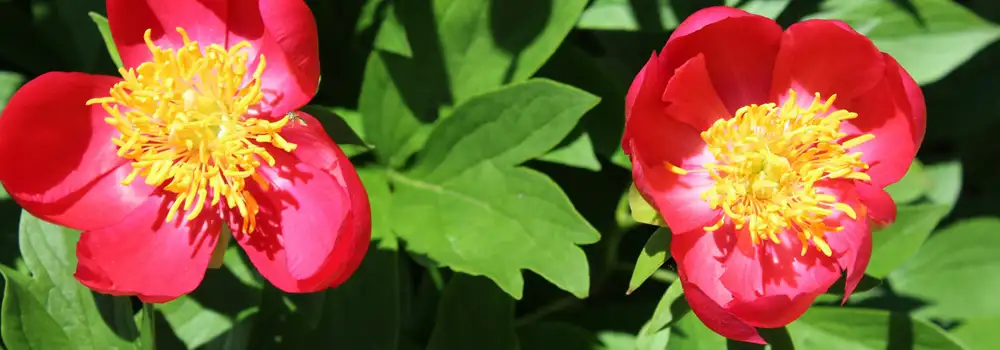
| Peony | Long-term structure and seasonal drama | Peonies form substantial clumps, return reliably, and provide dense foliage that continues to anchor the bed after flowering. | They dislike frequent disturbance and need patience early on before they look fully established. |
| Hellebore | Shade, winter interest, and dependable structure | Hellebores keep good presence for much of the year and bring flowers at a time when many beds feel empty. | Older leaves can become tired or marked, so they benefit from light seasonal tidying. |
| Bergenia | Evergreen bulk and low-fuss reliability | It forms strong clumps, keeps useful foliage, and copes well with a wide range of conditions without losing its shape. | In very dry or crowded spots, older leaves can look worn and need cleaning up. |
| Bearded iris | Sunny beds with strong structure | Bearded iris brings sharp architectural form and long-term presence, and raised beds often suit it especially well because the rhizomes prefer strong sun and sharp drainage. | It is less forgiving in wetter or shadier positions, where flowering and overall performance can weaken. |
| Daylily | Hardy colour with manageable growth | Daylilies form durable clumps, flower reliably, and usually stay easy to accommodate as a raised bed matures. | They can look coarse if packed too tightly with more delicate neighbours. |
Peonies and hellebores show what hardy success in a raised bed really looks like. They improve with time, stay legible within the planting, and reward patience rather than constant interference. That is usually a better long-term bet than choosing a plant simply because it is described as tough.
Best low-maintenance perennials: easy plants that stay worth having
Low-maintenance perennials are not just plants that survive neglect. In a raised bed, the best choices stay tidy, balanced, and reliable enough that they do not keep asking for correction. That usually means plants with a clear habit, a manageable pace of growth, and enough structure or foliage to justify the space they take up beyond a brief flowering moment.
This matters more in raised beds because maintenance is more visible. A plant that flops, sprawls, or leaves a tired gap after flowering can make the whole bed feel unresolved. The easiest perennials are usually the ones that continue to look intentional without frequent dividing, staking, or rescue work.
| Plant | Best for | Why it stays low-maintenance | Watch out for |
|---|---|---|---|
| Sedum (Hylotelephium) | Sunny beds with structure and late-season interest | It stays upright, thrives in sharp drainage, and keeps a strong architectural shape from summer into winter. | In too much shade or rich, soft growth conditions, it can become looser and less defined. |
| Alchemilla mollis | Soft edging and easy gap filling | It forms a useful mound, copes well with light editing, and usually settles into a bed without becoming demanding. | It can self-seed freely if spent flowers are left in place too long. |
| Hardy geranium | Soft ground cover and long-lasting filler | The best varieties knit planting together, flower generously, and are easy to cut back and refresh when needed. | Some varieties spread far more aggressively than others, so choice matters more than the plant label alone. |
| Carex | Foliage structure and year-round steadiness | Many sedges stay neat, add texture through much of the year, and help a bed look settled without asking for much attention. | Not all varieties behave the same way, and some need tidying to remove tired outer growth. |
| Nepeta | Long flowering colour with a relaxed habit | It flowers for a long period, copes well with sun and drainage, and responds well to a simple cutback rather than constant fuss. | It suits looser planting better than very formal schemes, and some forms can spread wider than expected. |
Low-maintenance planting works best when the plants still contribute after the flowers fade or can be reset with one simple cut rather than constant rescue work. Sedum, carex, and the better hardy geraniums earn their place this way, helping a raised bed keep its shape and presence without turning upkeep into a recurring project.
Best perennials for sun: plants that cope with heat and dryness
Sunny raised beds can be excellent for perennials, but they also expose weakness quickly. Strong light, faster drainage, warmer soil, and greater exposure mean the best performers are not just sun-lovers on paper. They need to hold up when the bed dries more quickly than open ground and still look good once the first flush of flowering passes.
That is why lavender, salvia, and other dry-tolerant perennials often do so well here. They are not simply coping with brightness. They are benefiting from the sharper drainage and cleaner root conditions that raised beds can provide when the planting is matched to the site.
| Plant | Best for | Why it works in sun | Watch out for |
|---|---|---|---|
| Lavender | Structure, scent, and drought-tolerant colour | Lavender thrives in bright, open positions and usually benefits from the freer drainage a raised bed can provide. | It struggles more in heavy, wet, or shaded positions than many buyers expect, and older plants can become woody if never trimmed. |
| Salvia | Long flowering colour in warm, sunny beds | Many perennial salvias flower for a long period, cope well with sun, and respond well to a simple cutback rather than constant fuss. Reliable clump-forming types such as Salvia nemorosa ‘Caradonna’ are often a safer choice than softer, less hardy forms. | Not all salvias are equally hardy, so variety choice matters. |
| Echinacea | Bold summer colour and pollinator-friendly planting | Echinacea enjoys bright light and sharper drainage, giving strong seasonal presence without needing a sprawling footprint. | It can disappoint in colder, wetter, or poorly drained positions, especially if planted into over-rich, soft soil. |
| Achillea | Dry, sunny planting with strong repeat flower heads | Achillea copes well with heat and leaner conditions, and its flat flower heads bring a useful contrast in mixed planting. | Some forms can look untidy after flowering if they are not cut back promptly. |
| Stachys byzantina | Silvery foliage and year-round texture | Its soft grey leaves suit dry, sunny raised beds well and provide useful structure beyond the flowering season. | In wetter conditions, foliage can spoil quickly and the plant loses much of its value. |
Lavender is one of the clearest examples of why raised beds can improve perennial performance when the plant and the conditions genuinely match. It is often bought as a general sun plant, but what it really wants is brightness with good drainage and clean root conditions. Raised beds can provide that very well, which is why they so often suit Mediterranean-style perennials better than moisture-holding ground.
Best perennials for shade: plants that brighten difficult spots
Shade can make perennial planting harder to judge because flowers often matter less than foliage, shape, and steadiness. In a raised bed, the best shade perennials are usually the ones that keep the space looking intentional rather than flat or empty once the main flowering moment has passed.
Raised beds can also change the character of shade. The soil may drain better and warm more quickly than shaded ground at border level, so some plants perform more cleanly here than people expect. The best choices still need to suit the light levels, but they also need to stay tidy, proportionate, and visually useful in a defined space.
Hosta is the obvious example when bold foliage is needed, but it comes with a clear warning: soft leaves can be irresistible to slugs. Heuchera often offers a safer way to bring colour and structure into shade, especially where winter wet is not excessive. Brunnera helps in a different way, lifting darker planting with patterned leaves and soft spring flowers, while pulmonaria brings early colour and useful foliage in part shade if the bed does not dry too hard later in the season.
For finer texture, Japanese painted fern can stop shade planting feeling heavy. It works best where the bed stays cool enough to keep the foliage fresh, because dry, exposed shade quickly strips away the delicacy that makes it worthwhile.
- Hosta for bold leaf shape and presence, if slug pressure is manageable
- Heuchera for foliage colour and compact structure
- Brunnera for bright leaves and spring lift
- Pulmonaria for early flowers and marked foliage
- Japanese painted fern for finer texture in cooler shade

Best perennials for raised beds: colour and structure that lasts
The best perennials for raised beds do more than flower well for a few weeks. The strongest choices also give the bed shape, rhythm, and visual presence once the main flush of colour has passed. In practice, that usually means combining flowers with foliage, upright forms with softer mounds, and plants that still look intentional when the season shifts.
This is where raised beds reward discipline. In a defined space, colour without structure can feel fleeting, while structure without enough variation can feel heavy. The best perennial combinations balance both. Lavender and salvia can bring long, dry-climate colour in sun, while heuchera and brunnera keep shaded beds visually active through foliage even when flowering is brief. Sedum adds late-season form, and carex or ferns can stop a planting scheme feeling too static or too blunt.

A raised bed looks better for longer when at least some plants carry the display through leaf shape, texture, or habit rather than flowers alone. That is often the difference between a bed that peaks briefly and one that stays convincing across the season. It also matters in winter, when seedheads, evergreen foliage, or strong clumps can stop a raised bed feeling like an empty box of soil.
Perennials to avoid: plants that create more work than value
Some perennials fail in raised beds not because they are bad plants, but because their behaviour stops matching the space. In a border, a plant that wanders, collapses, or bulks up too quickly can sometimes disappear into the wider planting. In a raised bed, it becomes obvious much faster.
The usual problems are not subtle. Some plants spread aggressively through runners or wandering roots. Others flower briefly, then leave a long period of mess or collapse. Some simply grow too large or too loose for a defined space, turning what should feel deliberate into something that needs repeated correction.
Plants to treat with caution in raised beds include:
- Invasive spreaders, such as running mints or vigorous campanulas, which can quickly overwhelm a closed system
- Untidy collapsers, which look impressive in flower but then flop or leave large gaps behind them
- Overly vigorous fillers, which seem helpful in year one but start swallowing neighbouring plants once the bed settles
- Plants with weak winter presence, if they contribute little once flowering ends and leave the bed feeling empty for months
- Plants that need constant staking or support, because a raised bed usually looks better when the planting can hold its own shape cleanly
- Perennials that only work in perfect conditions, because a raised bed exposes that mismatch quickly
The better test is simple: if a plant needs constant restraint, repeated rescue work, or excuses to justify keeping it, it is probably the wrong perennial for a raised bed. Defined spaces reward plants that stay legible, balanced, and useful for longer.
How to combine perennials so a raised bed improves over time
The best perennial planting usually starts slightly more restrained than people expect. A raised bed may look sparse at first, but that is often the price of getting the long-term balance right. When plants are packed in too tightly for instant impact, the bed can quickly turn from full to crowded, and from crowded to corrective.
A better approach is to combine perennials by role rather than by impulse. Start with a few plants that give structure, add others that bring colour for part of the season, and then use foliage or texture to stop the bed feeling empty when flowering fades. That kind of mix gives the planting rhythm without making it dependent on one short peak.
Three simple rules usually help:
- Mix structure with colour, so the bed still feels coherent when flowers are doing less of the work
- Leave room for mature size, because raised beds expose overcrowding faster than open borders
- Use fewer, better plants, rather than filling every gap in the first season
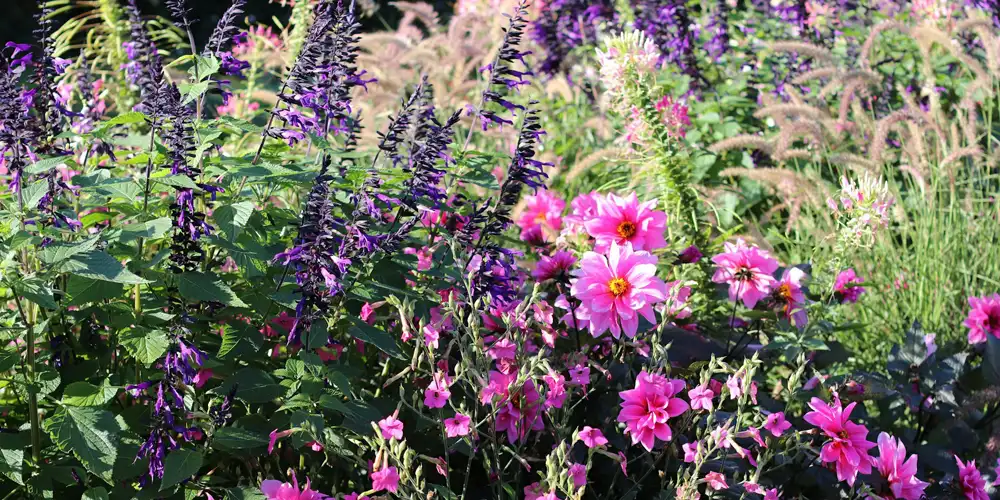
This is also where succession matters. A raised bed improves over time when one plant’s strongest moment hands over naturally to another, rather than everything peaking together and disappearing together. The aim is not constant drama, but a bed that keeps enough shape, contrast, and interest to feel intentional from season to season, so the next flush of colour feels earned rather than forced.
Choose perennials you will still want in five years
The best perennials for raised beds are rarely the ones that shout loudest in the garden centre. They are the plants that hold their shape, suit the conditions, and still feel worth the space once the bed has settled into itself. In practice, that usually means clump-forming, well-behaved perennials with enough structure, foliage, or repeat value to stay useful beyond one short moment of colour.
A raised bed makes those differences easier to see. Good plant choices become calmer, clearer, and more rewarding over time, while bad ones become harder to ignore. That is why the best perennial planting in raised beds is usually less about chasing novelty and more about choosing plants that keep earning their place.
When you choose for the long term, a raised bed becomes easier to enjoy and less demanding to manage.