What is Yakisugi? The Japanese wood charring method explained
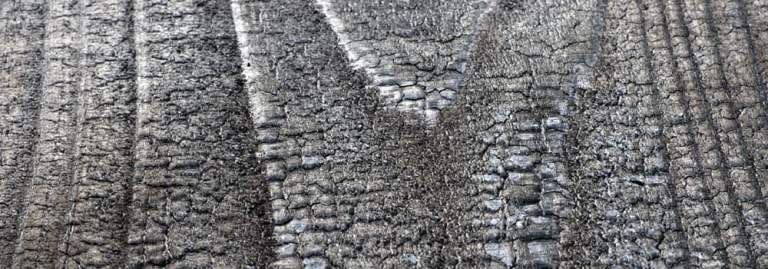
Yakisugi is a traditional Japanese method of preserving timber by carefully charring the wood surface. The burn creates a carbon-rich outer layer that helps protect the timber from moisture, insects, decay and outdoor weathering.
It is often called Shou Sugi Ban outside Japan, although Yakisugi is the more accurate term. Both names usually refer to the same idea: using controlled fire to treat timber rather than relying only on paint, stain or chemical preservative.
For raised beds, Yakisugi is especially interesting because timber has to deal with rain, sun, soil moisture and seasonal movement. At The Raised Bed Company, we use the method as part of a complete system: Western Red Cedar, controlled charring, deep brushing, careful construction and zero-VOC oil finishing. You can also read more about how Yakisugi protects timber if you want the full science behind the burn.
Key takeaway: Yakisugi is more than blackened wood. It is a Japanese wood charring method that changes the timber surface, helps protect it outdoors and creates a textured finish with real depth. For raised beds, it works best when combined with suitable timber, good detailing and a breathable protective oil.
The table below shows how Yakisugi performs in outdoor environments:
| What Yakisugi does | How it works | Why it matters outdoors |
|---|---|---|
| Changes the timber surface | Controlled charring creates a carbon-rich outer layer rather than simply adding a surface coating. | The protection is tied to the timber itself, not just to a painted or stained finish. |
| Helps resist moisture and decay | The charred surface helps reduce water uptake and makes the outer layer more resistant to insects and fungal decay. | This helps outdoor timber cope with rain, humidity and seasonal wetting and drying. |
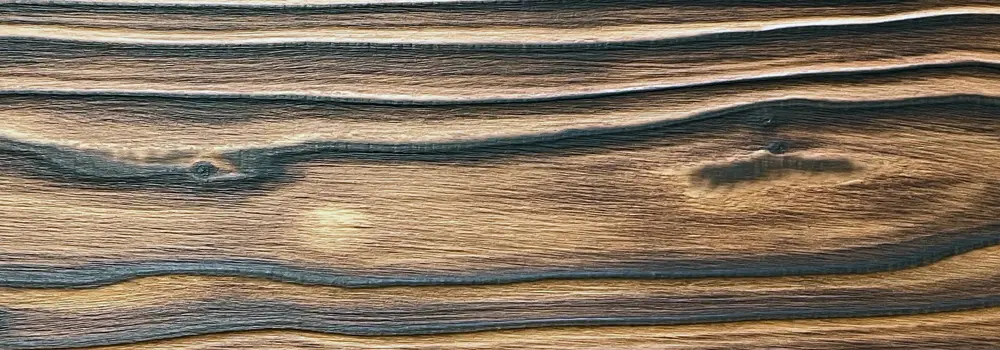
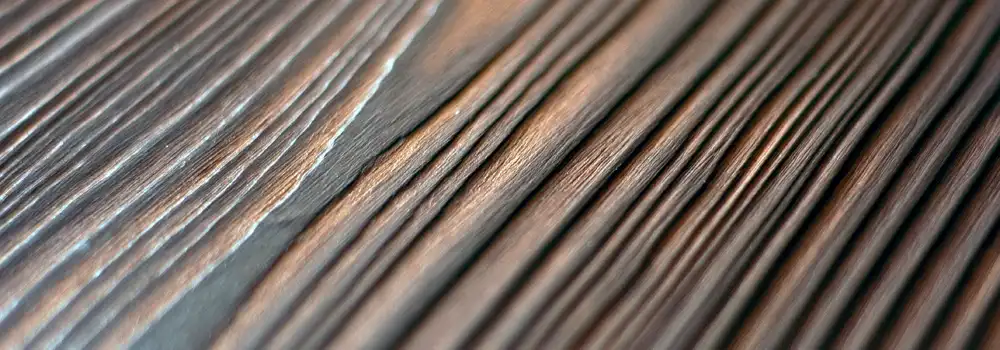
| Adds texture and visual depth | Brushing removes loose soot and reveals raised grain, ridges and variation in the wood. | The surface feels more architectural and tactile than flat-painted timber. |
| Gives control over ageing | Our Yakisugi timber is finished with a breathable zero-VOC oil that helps preserve the darker tone for longer, while still allowing the surface to mellow naturally if left to weather. | Clients can choose whether to maintain the richer original finish through re-oiling or let the raised bed soften and silver over time. |
| Works best as a system | Timber choice, burn depth, brushing, construction detail and oil finishing all affect the final result. | A long-lasting raised bed depends on the whole build, not the charred surface alone. |
Is Yakisugi the same as Shou Sugi Ban?
Yakisugi and Shou Sugi Ban are often used to describe the same timber-charring technique, but Yakisugi is the more accurate term.
Yakisugi comes from yaki, meaning burned or charred, and sugi, meaning Japanese cedar. At The Raised Bed Company, we use Yakisugi because it better reflects the method’s Japanese origin and cedar-based craft tradition.
Shou Sugi Ban is a Westernised reading that has become common outside Japan, especially in architecture and interiors. It is useful for recognition, but it is now often used loosely for almost any blackened timber finish.
| Finish type | What it means | Why the difference matters |
|---|---|---|
| Decorative scorch | A quick surface burn used mainly to darken the timber or create a charred look. | It may look dramatic at first, but the result depends on how deeply and consistently the surface has been burned. |
| Black stain or paint | A coloured coating applied over timber to imitate the appearance of charred wood. | The colour sits on top of the wood rather than coming from a changed timber surface, so it behaves like a coating. |
| Yakisugi | The traditional Japanese process of burning cedar to create a charred timber surface. | The value comes from controlled charring, not simply from making timber look black. |
| Pika-Pika finish | A brushed and polished Yakisugi surface where loose char is removed and the grain is revealed. | This creates the tactile ridges, depth and refined surface used on our raised beds. |
| Oiled Yakisugi | A charred and brushed cedar surface finished with breathable protective oil. | This gives the timber more control over moisture, colour retention and long-term ageing outdoors. |

That is why Yakisugi should be judged by the process behind the surface, not by the colour alone.
How does Yakisugi protect wood?
Yakisugi protects wood by changing the timber surface with controlled heat. The burn creates a carbon-rich outer layer that helps reduce water uptake and makes the surface more resistant to insects, fungal decay and weathering.

This does not make the wood indestructible. Timber species, burn depth, exposure, construction quality and maintenance all still matter. A poorly constructed structure or badly fitted board can still fail outdoors, even if the surface has been charred.
For raised beds, the value is that Yakisugi gives the timber a more resilient outer face before oil is applied. Our zero-VOC oil then helps control moisture movement, deepen the finish and slow visual ageing without sealing the timber under a plastic-like coating.
Is Yakisugi safe for raised beds and edible gardens?
Yakisugi offers a different route from pressure-treated timber. Instead of relying on preservative chemicals forced into the wood, it improves the timber surface through controlled charring. For raised beds and edible gardens, that is appealing because the protection comes from heat, timber choice and finishing, not from a standard industrial treatment.
That matters in vegetable gardens, where timber sits close to soil, roots and edible crops. Our approach uses Western Red Cedar, Yakisugi charring and a zero-VOC oil finish, giving the bed a clean, breathable surface while still improving outdoor durability.
It is still important to be precise. Yakisugi does not make timber magically inert, and not every charred board is prepared to the same standard. For food-growing spaces, the full system matters: suitable timber, controlled burning, clean brushing, safe finishing products and good construction.
That is why we treat Yakisugi as part of a complete raised bed specification, not as a decorative effect added at the end.
How long does Yakisugi last outdoors?
Yakisugi can last a very long time outdoors when it is used in the right context, but there is no honest single lifespan number. Traditional Yakisugi cladding is often associated with long service life because it is vertical, well ventilated and able to dry between periods of rain.
Raised beds face a harder environment. The timber sits close to soil, splashback, retained moisture and seasonal wetting, so lifespan depends on more than the charred surface alone. Timber species, burn depth, oil finish, drainage, construction quality and maintenance all affect how long the bed performs.
For that reason, we do not treat Yakisugi as a simple “lasts X years” claim. A raised bed is exposed to soil moisture, splashback, airflow, shade, drainage and maintenance decisions that can change its service life. Instead of giving a false universal number, we focus on a more resilient durability system: Western Red Cedar, controlled charring, Pika-Pika brushing, strong construction, sensible garden placement and a breathable zero-VOC oil finish.
The oil finish helps with:
- Water resistance
- UV protection
- Colour retention
- Surface stability
- Resistance to fungal attack
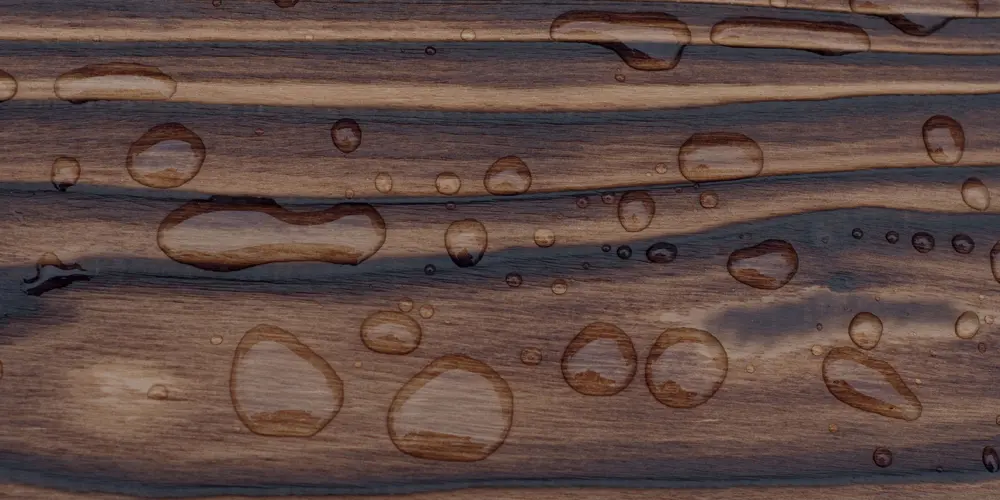
The important distinction is between structural life and visual ageing. The timber may remain sound while the darker surface slowly changes. Re-oiling helps preserve the richer original tone for longer. Without re-oiling, the surface will gradually mellow, soften and silver as the raised bed weathers naturally.
Does Yakisugi timber need maintenance?
Yakisugi timber does not need the same maintenance as painted timber, because there is no film-forming coating to crack, peel or flake away. The surface is created by charring the wood itself, then brushing and finishing it, rather than covering it with a separate skin.
Outdoor timber still benefits from sensible care, especially in a raised bed where rain, soil moisture and seasonal weathering are constant pressures. Because our oiled Yakisugi surface sheds water well, rainfall will usually do much of the cleaning. If dirt, algae or organic debris builds up in sheltered areas, a gentle clean with water and a soft brush is enough. Avoid aggressive scrubbing, pressure washing or harsh cleaners, as these can damage the surface character.
The main choice is visual. If you want to keep the darker, richer Yakisugi tone for longer, re-oiling every few years will help preserve colour, support water resistance and keep the surface looking more refined. If you prefer a softer, more weathered appearance, the timber can be allowed to mellow naturally.
In simple terms, Yakisugi maintenance is less about rescuing a failing coating and more about choosing how you want the timber to age.
Where did Yakisugi come from?
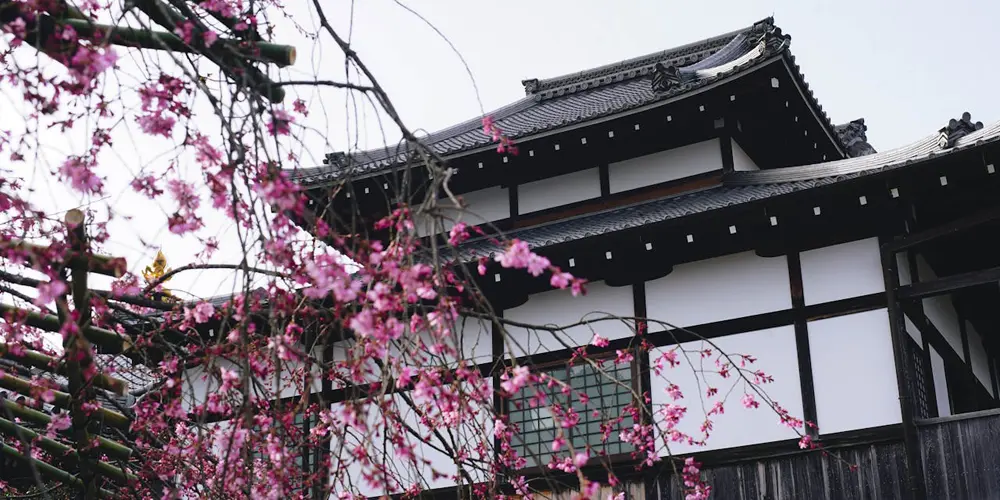
Yakisugi originated in Japan centuries ago, gaining wider use during the Edo period, when cedar boards were charred to help protect timber buildings in damp, exposed conditions. It became especially associated with traditional wooden cladding, including coastal and rural buildings where rain, humidity and insects made untreated timber vulnerable. Its purpose was practical before it was aesthetic: fire was used to make cedar more durable outdoors.
Is Yakisugi right for every garden?
Yakisugi is best suited to gardens where timber needs to be both practical and considered. Its first purpose is preservation: controlled charring changes the cedar surface so it can cope better with outdoor exposure, while the brushed and oiled finish gives the timber a more natural ageing path.
For raised beds, that distinction matters. The dark, textured appearance is not the reason for using Yakisugi. It is the visible result of a preservation process designed to help timber cope with rain, soil moisture, seasonal movement and outdoor use. The surface has value because it comes from how the material has been protected, not because colour has been added afterwards.
Yakisugi works best when it forms part of a complete raised bed system, with suitable timber, careful construction, breathable oil and sensible placement. The result is a raised bed that feels settled in the garden: protective without relying on pressure treatment, refined without feeling artificial, and designed to age rather than simply wear out.
If you want to see how we apply that approach in real raised beds, explore our making process or view the beds themselves below.