How Yakisugi protects timber: fire, moisture and decay explained
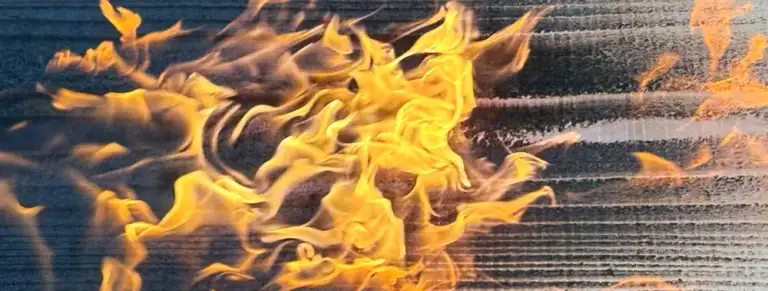
How Yakisugi protects timber is not mainly a story about adding a coating. It is a story about changing the wood itself. Through controlled surface charring, the outer layer of the timber is transformed, which changes how it responds to moisture and outdoor exposure.
That is why Yakisugi behaves differently from painted or pressure-treated timber. Instead of relying on a separate film or preservative alone, it begins with a modified surface. In this article, we explain what changes during the burn, why that matters for moisture, decay and outdoor exposure, and how brushing and oiling help complete the system.
Key takeaway: Yakisugi protects timber by changing the outer layer of the wood through controlled heat. That surface transformation alters how the timber handles moisture and weathering outdoors. Brushing and oiling then refine and support that protective surface rather than replacing it.
In real terms, this is why rain often beads on the surface, and why a well-burned board can weather differently from painted or pressure-treated timber.
How does the Yakisugi burn process protect timber?
The easiest way to understand the Yakisugi burn process is to look at what heat does to the wood at each stage. The temperature ranges matter because protection does not come from simply making timber black. It comes from controlled surface change.
| Temperature range | What is happening in the wood | What the maker is looking for | Why it matters |
|---|---|---|---|
| Below about 100°C | Free water is being driven off the surface and the board begins to heat through. | Steam, drying, and the first signs that the surface is warming evenly rather than scorching in isolated spots. | This stage prepares the timber for a controlled burn. The aim is not yet protection, but consistency. |
| About 100 – 200°C | The wood continues to dry, bound water begins to leave, and the earliest thermal changes start to affect the outer surface. | Gradual darkening and a steady, controlled response to heat rather than aggressive open flame. | This is where the burn starts becoming a material process rather than simple heating. |
| About 200 – 300°C | Significant pyrolysis begins. The wood starts breaking down chemically, gases are released, and the outer layer moves towards true thermal transformation. | A steady, even burn with deepening colour and a surface that is changing consistently across the board. | This is the key transition from heated timber to modified timber. |
| About 288 – 320°C | Visible surface charring develops and the char line forms. The outer face is now becoming recognisably carbonised. | Even blackening, coherent texture, and a burn that is deep enough to be useful without becoming unstable. | This is the range where Yakisugi starts creating the protective outer layer people actually associate with the technique. |
| About 315 – 390°C | Cellulose breakdown accelerates and the burn becomes much more structurally consequential at the surface. | Control. At this point the difference between a well-judged burn and an overdone one becomes much more important. | Too little change leaves the surface underdeveloped. Too much can make the char brittle or unstable. |
| Above about 400°C | Lignin continues degrading over a wider range and the risk of excessive surface damage increases. | Signs of fragility, cracking, or a surface that has gone beyond a useful protective char into overburning. | Yakisugi depends on control, not maximum heat. A successful burn changes the surface without sacrificing the integrity of the board beneath. |

What changes in the wood
To understand why Yakisugi works, it helps to look at how heat affects the main components of the wood rather than treating charring as one single event. Different parts of the timber respond at different stages, and together those changes create the altered outer layer that behaves differently outdoors.
| Component | What heat changes | What that means for the surface | Why it matters outdoors |
|---|---|---|---|
| Free and bound water | Heat first drives off moisture from the surface and then begins removing bound water from within the wood structure. | The outer layer becomes drier and more ready for thermal change rather than simple heating. | This is the foundation for a controlled burn. Without it, the process is less consistent and the surface change is less reliable. |
| Hemicellulose | This is one of the first wood components to break down significantly under heat. | The surface begins losing some of the more heat-sensitive material that would otherwise remain part of raw wood. | This helps explain why the charred outer zone becomes less like untreated timber and less vulnerable than the original surface. |
| Cellulose | As temperatures rise further, cellulose breakdown becomes more significant and the structure of the outer surface changes more deeply. | The burn becomes more consequential. The surface is no longer just darkened, but materially altered. | This is part of what creates a meaningful protective layer, but it also explains why too much heat can push the surface into fragility. |
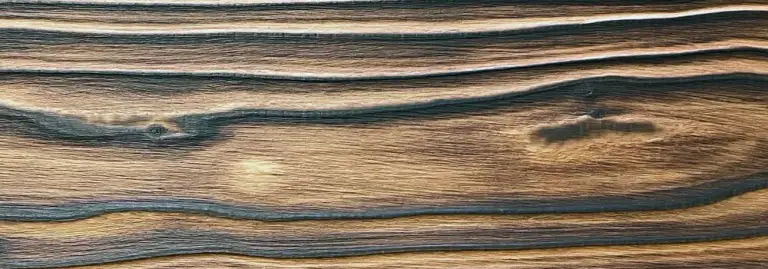
| Lignin | Lignin degrades across a wider temperature range and contributes to how the charred surface holds together. | The surface develops a more coherent carbonised character rather than simply turning black. | This helps explain why a well-burned board can weather differently from untreated or film-coated timber. |
| Volatile compounds and organic material | Heat drives off gases and breaks down part of the original organic structure near the surface. | The outer layer becomes chemically and physically different from the wood beneath it. | This is one reason the charred zone is better understood as transformed wood, not just burnt decoration. |
| The resulting charred layer | The combined effect of these changes is a surface char layer with a thermally altered zone beneath it. | The board ends up layered rather than uniformly changed all the way through. | This layered structure is central to Yakisugi. Protection comes from modifying the outer part of the wood while keeping the core intact. |
What matters here is not chasing the highest temperature. It is reaching a controlled level of surface change that creates a useful charred layer without damaging the timber beneath. Good Yakisugi depends as much on judgement as heat. The burn must be deep enough to alter the outer surface in a meaningful way, but not so aggressive that the result becomes fragile, uneven or structurally weakened.
In practice, the board is not divided into a simple line between burnt and unburnt wood. There is a surface char layer, a thermally altered zone beneath it, and then the unchanged core of the board further in. That layered result matters because Yakisugi protects timber through controlled transformation of the outer wood, not through a superficial black coating.
Yakisugi does not protect timber because fire adds something new on top. It protects timber because controlled heat changes the outer structure of the wood itself.
Why does charred wood resist moisture, insects and decay?

Once timber has been surface-charred, the outer layer no longer behaves like raw wood. Moisture, sunlight, insects, fungal pressure and repeated weathering all meet a changed surface. Yakisugi does not make timber invulnerable, but it changes the surface conditions in ways that can improve long-term outdoor performance.
| Outdoor pressure | What the charred surface changes | What that can help with | What this does not mean |
|---|---|---|---|
| Moisture and wetting cycles | The altered outer layer interacts differently with water, especially when brushed and oiled. | Better rain behaviour, reduced surface moisture stress, and slower visible weathering. | Yakisugi is not waterproof. Performance still depends on species, burn quality, detailing and maintenance. |
| Fungal pressure | Heat changes the outer chemistry of the wood and leaves the surface less like untreated timber, which can make it less favourable to decay at the face. | Reduced vulnerability at the surface and better resistance to the conditions that encourage breakdown. | This should not be presented as total rot-proofing. Fungal resistance depends on moisture, exposure, timber species, and the integrity of the whole system. |
| Insect activity | The charred outer zone offers a less hospitable surface than raw wood and removes much of the original outer material insects would otherwise encounter first. | Lower surface attractiveness and a less inviting first point of attack. | This needs restraint. It is safer to describe reduced surface appeal than broad insect-proofing claims. |
| Sunlight and UV exposure | The charred surface takes the exposure first, helping shield the timber beneath from direct weathering and UV-driven surface breakdown. | Slower degradation of the exposed face and a different weathering pattern from untreated or film-coated timber. | The surface can still weather and lighten over time. Protection does not mean the appearance remains unchanged. |
| Humidity and seasonal movement | The altered outer layer does not respond to moisture in exactly the same way as raw wood, which can moderate surface-level movement. | Improved dimensional stability at the surface and less severe response to repeated atmospheric change. | This should not be overstated into a claim that timber no longer moves. Wood still responds to its environment. |
| Heat and flame exposure | A charred surface behaves differently from fresh raw timber because the outer layer has already been thermally changed. | Slower surface ignition behaviour than completely untreated wood in some conditions. | This is one of the areas needing the most care. It is safer to discuss changed fire behaviour than to make broad fire-resistant claims. |

Why Yakisugi still protects outdoor timber today
Yakisugi still protects timber because controlled heat changes the outer structure of the wood itself. That transformation alters how the surface responds to moisture, weathering, biological pressure and outdoor exposure. The result is not a coating sitting on top, but a changed outer layer working with the timber beneath it.
That is why the process still makes sense in modern outdoor timber use. The principle is simple: when the surface of the wood is changed in the right way, the timber behaves differently outdoors. When that burn is followed by careful brushing, oiling and good detailing, Yakisugi becomes a durable and elegant way to protect exterior timber without relying on synthetic preservatives alone.
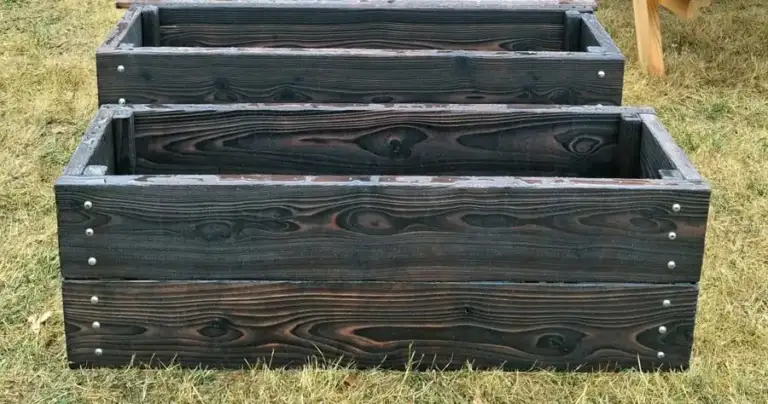
If you want to see how this works in practice, our Process page shows each stage of burning, brushing and oiling in detail. You can also explore our Western Red Cedar raised beds to see how the same principles are applied in finished garden structures.