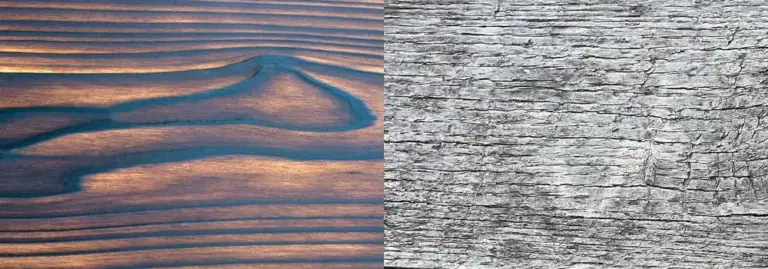
What makes sustainable wooden raised beds last?
Sustainable wooden raised beds are not simply raised beds made from timber. Long lasting wooden raised beds need to reduce maintenance, avoid unnecessary chemical load and work with the natural behaviour of wood outdoors.
At The Raised Bed Company, Yakisugi raised beds begin with controlled charring and a modern zero-VOC oil system. Fire gives the timber a more durable outer surface. Breathable plant-based oil then protects that surface without sealing the wood beneath a heavy synthetic barrier.
The combination matters because sustainability is not created by one material choice. It depends on how the timber behaves, how it is protected, how often it needs maintenance and how long it remains useful outdoors.
Key takeaway: A sustainable wooden raised bed is not just one made from wood. It is one designed to last, finished in a way that reduces environmental harm, and built around how timber actually behaves outdoors.
- Longevity matters as much as material choice
- Yakisugi improves durability by changing the timber surface itself
- A zero-VOC breathable oil protects without relying on conventional chemical treatments
In real terms, sustainable raised beds should shed water more effectively, need less frequent retreatment and avoid the short life cycle of timber that is sold as natural but fails quickly outdoors.
How do sustainable raised beds last longer outdoors?
A sustainable raised bed lasts longer outdoors by reducing the conditions that make timber fail early. That means limiting aggressive wetting and drying, helping the wood shed water, reducing surface decay pressure and avoiding finishes that trap moisture or break down quickly.
This is why timber behaviour matters more than a simple “natural wood” claim. Rain, sun, fungal pressure and seasonal movement all act on a raised bed over time. If the protection system ignores those forces, the bed may still look eco-friendly at first, but it can become wasteful if it needs constant retreatment or early replacement.
Yakisugi changes that starting point. Controlled charring transforms the timber surface itself, creating a carbon-rich outer layer that behaves differently from untreated wood. Protection begins in the material rather than depending entirely on a coating applied over the top.
That difference matters because outdoor timber rarely fails all at once. It usually declines through repeated moisture cycles, slow drying, surface stress and biological exposure. A finish system that works with those realities can extend service life and reduce maintenance. A finish that traps moisture or breaks down quickly can make a wooden raised bed less sustainable in practice.

For us, Yakisugi stood out because it is a preservation method first. The grain and texture revealed after brushing are important, but they are not the reason the process matters. The beauty is a consequence of protecting the timber, not a substitute for protection.
Why sustainable raised beds need the right timber finish
A sustainable raised bed needs a finish that protects the timber without working against it. After charring, the question is not simply “what oil can we put on this?” It is whether the finish can support the carbonised surface, resist outdoor exposure and still let the wood behave naturally.
That matters because Yakisugi changes the surface. Many standard wood oils are designed for open, absorbent grain, not a carbon-rich layer created by controlled fire. A finish that cannot bond properly, traps moisture or needs constant reapplication weakens the sustainability argument.
The finish system therefore, had to meet a stricter test. It needed to protect against real outdoor failure risks while staying aligned with the reason we use Yakisugi in the first place: durability, breathability and low environmental burden.
| Requirement | Why it matters | What failure it helps avoid |
|---|---|---|
| Zero VOCs | Reduces chemical release and keeps the protection system aligned with the article’s environmental standard, rather than solving durability with unnecessary solvent load. | A finish that performs well on the surface but carries avoidable environmental cost. |
| Anti-fungal protection | Helps the timber surface remain cleaner and more stable in damp conditions, where repeated moisture exposure can encourage biological growth. | Surface degradation, persistent fungal activity, and faster decline in wet conditions. |
| UV resistance | Protects the timber from sunlight-driven weathering, helping preserve surface stability and reducing the drying stress that can build over time outdoors. | Premature fading, surface breakdown, and accelerated weathering. |
| Full breathability | Allows moisture within the timber to escape naturally instead of being trapped beneath a dense surface barrier. | Moisture entrapment, slower drying, and failure caused by a finish fighting the timber’s natural behaviour. |
| Long-term stability without peeling or cracking | Keeps the protective layer working with the surface over time instead of breaking down into a maintenance problem of its own. | Peeling films, cracked protection, exposed vulnerable areas, and patchy deterioration. |
| Low maintenance over time | Supports the article’s core definition of sustainability by reducing repeated intervention, material use, and short recoat cycles. | A finish that sounds responsible at first but becomes resource-hungry through constant upkeep. |

These requirements are not just technical preferences. They define whether a finish is sustainable in practice. A product that needs replacing every year is not low-impact simply because it sounds natural, and a heavy seal can create new moisture problems beneath the surface.
After testing and supplier conversations, the right answer came from a UK-developed zero-VOC wood oil. It uses modern plant-based chemistry to protect the charred surface while keeping it breathable, stable and visually alive. Tradition gives the timber a more durable outer surface; modern chemistry helps preserve that surface without cancelling its logic.

What makes wooden raised beds genuinely sustainable?
A sustainable wooden raised bed is not defined by material choice alone. It depends on how the timber is protected, how it behaves outdoors, how often it needs intervention and how long it can serve well before replacement becomes necessary. Sustainability is not a label attached at the end. It is the result of a whole system working properly from the start.
Yakisugi provides the first part of that system by transforming the outer surface of the timber into a more durable, weather-resistant skin. The zero-VOC breathable oil provides the second by protecting that surface without trapping moisture or relying on a heavy chemical burden. Together, they do not just make the timber look distinctive. They change how it performs over time.
That is the difference between sustainable marketing and sustainable design. One depends on the material sounding natural. The other depends on the product lasting longer, needing less intervention and respecting the behaviour of the timber itself. When durability, breathability and environmental responsibility support each other, sustainability becomes measurable in practice rather than merely claimed in words.
For us, sustainable wooden raised beds are not simply beds made from wood. Low maintenance raised beds come from craft, fire and modern chemistry working together to reduce waste, lower upkeep and give the material the best chance of a long outdoor life.