Raised bed problems: normal ageing, repairs, and warning signs
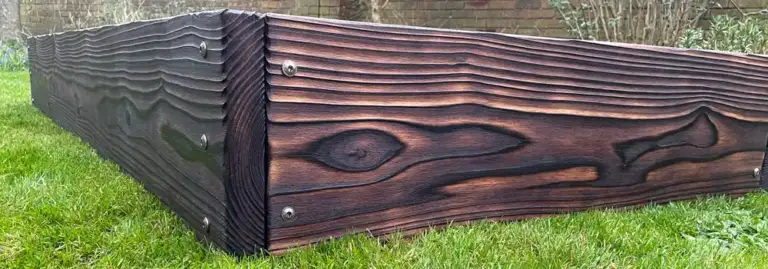
Raised bed problems can mean plant issues, soil issues, or pests. This guide is about the raised bed itself: timber, joints, fixings, moisture marks, movement, and visible ageing.
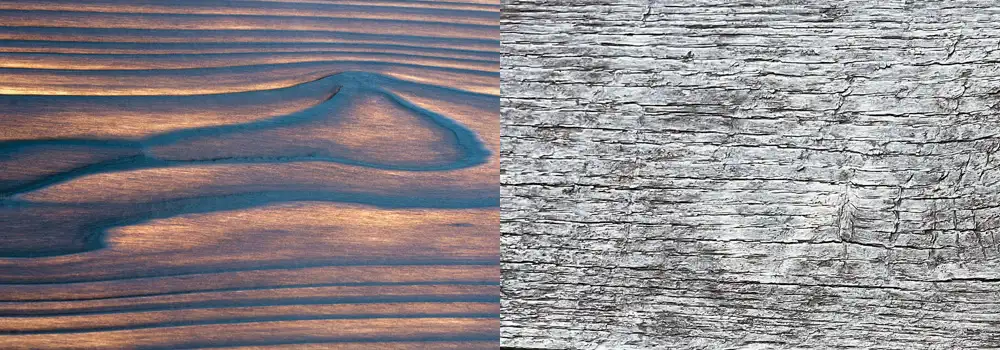
Not every weathered board is a problem. Grey timber, faded colour, light surface checking, and a dry outer face are often normal signs of outdoor ageing. A bed can look older and still be structurally sound.
The signs that matter are linked to moisture, softness, movement, or loss of shape. Persistent damp at joints, crumbly timber, spreading corners, loose fixings, or sides that are starting to lean may point to deeper structural stress.
If you want to understand how those problems develop from the start, our guide to why raised beds fail explains the main causes.
The simplest way to judge raised bed problems is to sort them into three groups: what to ignore, what to repair or monitor, and what to take seriously.
Key takeaway: Normal raised bed ageing usually affects the surface first. Real warning signs affect how the bed behaves: soft timber, recurring damp, widening joints, spreading corners, or movement that gets worse over time.
Raised bed problems at a glance: ignore, fix, or worry?
The quickest way to judge raised bed problems is to separate surface ageing from signs that affect structure. This table is a first-pass guide, not a final diagnosis. One sign on its own may not prove much, but a pattern of damp, softness, movement, or widening gaps deserves closer attention.
| What you see | Ignore, repair, or worry? | What it usually means |
|---|---|---|
| Grey or silver timber | Usually ignore | Often normal surface weathering. It does not mean the timber has failed if the bed is still firm and holding its shape. |
| Faded colour or patchy finish | Maintain if needed | Usually a surface protection or appearance issue, not a structural one. Recoat if the finish is part of the bed’s protection strategy. |
| Small surface cracks | Usually ignore or monitor | Light checking can happen as timber expands and contracts. Watch it if cracks widen, reach fixings, or appear with movement. |
| Dark damp patches | Monitor or repair | Temporary wetting is common, but recurring damp around joints, end grain, or lower boards may show a moisture trap. |
| Loose screws or fixings | Repair | Fixings help control movement. If they loosen, small shifts can spread under soil pressure. |
| Slight board movement | Repair or monitor | Small movement may be manageable, but it matters more if it is increasing or linked to loose fixings, damp, or long unsupported runs. |
| Opening corners or widening joints | Take seriously if worsening | These can show that the frame is losing control of soil pressure, especially if gaps grow after rain or over the growing season. |
| Soft, crumbly, or spongy timber | Worry | This may indicate decay rather than surface ageing, especially near bottom boards, joints, fixings, or permanently damp areas. |
| Bowing, leaning, or spreading sides | Take seriously if increasing | Movement that gets worse suggests the structure is struggling with load, saturation, span, or support. |
Use the table as a sorting tool. If the problem is only cosmetic and the bed remains firm, it is usually not urgent. If the same area is damp, soft, loose, and moving, treat it as a structural warning rather than normal ageing.
Raised bed ageing that usually does not mean failure
Most raised beds change visibly before they become structurally weaker. Timber exposed to sun, rain, frost, and drying winds will not keep its original colour or finish forever. That can make normal ageing look more serious than it is.
Greying, silvering, fading, and light surface cracks are usually signs of exposure rather than failure. They show that the outer face of the timber is changing, not that the bed has stopped doing its job. If the boards are still firm, the corners are tight, and the shape has not started to move, visible ageing alone is rarely a reason to panic.
Normal ageing changes the surface. Real failure changes how the raised bed behaves.
The safest way to read ageing is to ask what has changed. A colour change is usually less important than a shape change. A dry-looking board is less concerning than timber that feels soft or crumbly. A small surface crack matters less than a crack that widens near a fixing or appears alongside movement.
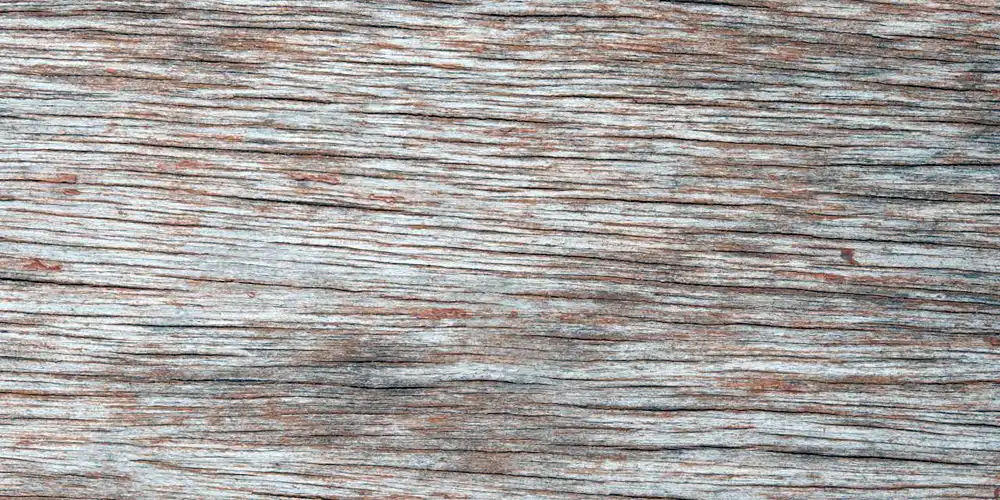
In simple terms, you can usually ignore or simply monitor:
- grey or silver timber
- faded colour
- patchy finish
- light surface checking, meaning small cracks that follow the grain rather than running deeply through the board
- slight raising of the grain or surface roughening
- weathered boards where the frame remains firm
These signs only become more important when they appear with recurring damp, softness, loose joints, spreading corners, or movement that is getting worse. That is when the issue stops being only about appearance and starts becoming a question of structure.
Raised bed repair: problems you can often fix or monitor
Some raised bed problems sit in the middle ground. They are not harmless ageing, but they are not always signs that the bed is failing either. These are the issues worth dealing with early, because small movement, local damp, or loose fixings can become more serious once soil pressure, wet weather, and repeated seasonal movement keep acting on the frame.
Raised bed repair is most useful when the problem is still local and the structure is mostly holding its shape. The aim is not to rebuild the bed, but to stop a small weakness becoming a pattern.
You can often repair or monitor:
- loose screws, bolts, or fixings that can be tightened or replaced
- small areas where water repeatedly sits against the timber
- early board movement where the bed still holds its overall shape
- minor corner movement that has not started spreading
- finish damage in exposed areas where the finish is part of the protection system
Repair or monitor these problems when the timber still feels firm, the bed still holds its shape, and the issue is not spreading. If you are unsure whether a gap or board movement is getting worse, make a small pencil mark where the board meets the post or corner. If the gap grows past that mark after heavy rain or over the next few weeks, treat it as movement, not just appearance.
If the same area becomes soft, damp, loose, and mobile, stop treating it as a small repair and move it into the warning-sign category.
Raised bed warning signs that need serious attention
Some raised bed problems are no longer just cosmetic or local maintenance issues. They suggest the bed may be losing structural reliability, especially when several signs appear together.
The clearest raised bed warning signs are softness, recurring damp, worsening movement, and loss of shape. These matter because a raised bed is holding back soil, not just sitting in the garden as timber cladding. Once the frame starts to soften, spread, lean, or move under load, the problem has moved beyond ordinary weathering.
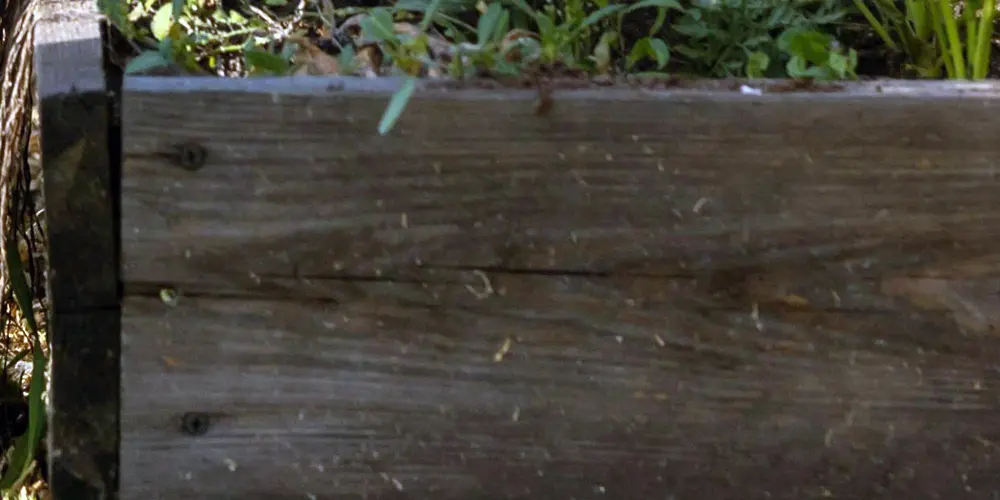
Take these signs seriously:
- timber that feels soft, crumbly, or spongy, especially near the bottom boards, corners, joints, or fixings
- damp patches that keep returning in the same structural areas after normal drying time
- joints or corners that continue to open rather than staying stable
- sides that bow, lean, or spread further after rain or over the growing season
- fixings that keep loosening even after repair
- boards that no longer hold their original line or shape
These are raised bed rot signs or failure signs when they affect the parts of the bed that carry load. A soft patch in a non-critical surface area may be manageable, but soft timber around a corner, bottom edge, or fixing is more serious because those areas help the structure hold together.
The key test is whether the problem is stable or developing. A bed that looks weathered but remains firm may simply be ageing. A bed that is becoming softer, looser, wetter, or more distorted is telling you something different. At that point, the question is no longer whether the raised bed looks old. It is whether it is still able to hold soil safely and reliably.
What not to do when checking raised bed problems
Some raised bed checks sound useful because they turn uncertainty into a simple yes-or-no answer. The problem is that visible timber changes rarely mean one thing in isolation. A better inspection looks for patterns: moisture plus softness, cracks plus movement, or bowing that is getting worse over time.
| Common shortcut | Why it can mislead | Better check |
|---|---|---|
| Screwdriver test | Wet timber, surface softness, species differences, and local weathering can confuse the result. If the timber is still sound, stabbing it can create a puncture point that helps moisture get in. | Look for persistent softness, crumbling fibres, recurring damp, and whether the area is structural. If you do probe, use light pressure only and avoid turning inspection into damage. |
| Colour alone | Grey timber, dark patches, or faded finish can look worrying, but colour change often shows exposure rather than structural failure. | Check whether the colour change is linked to softness, trapped moisture, loose joints, or movement. |
| One crack or split | Small surface checks can look dramatic, but they may only show normal timber movement as the board expands and contracts. | Watch whether the crack widens, reaches fixings, runs deeply through the board, or appears alongside movement. |
| One bowing measurement | A number feels objective, but bowing depends on span, height, board thickness, soil load, saturation, and support. | Look for worsening movement, spreading corners, or sides that move further after heavy rain. |
The aim is not to ignore warning signs. It is to avoid turning one crude test into proof, or worse, making a sound board more vulnerable while trying to inspect it. Raised bed problems become clearer when you read several signs together and ask whether they affect the structure, not just the surface. If movement or bowing is part of the concern, our raised bed soil volume, weight and load calculator can help you understand how soil volume, saturated weight, span, and timber choice affect structural risk.
How to check a raised bed without overreacting
A good inspection should be simple, calm, and non-destructive. You are not trying to prove failure from one mark or one crack. You are trying to see whether the bed is still firm, stable, and holding its shape.
Use this quick check:
- Step back and look at the whole bed. Check whether the sides still look straight, whether the corners still sit square, and whether the bed is leaning or spreading.
- Check the corners and joints. Look for widening gaps, loose fixings, or movement where boards meet posts or corner sections.
- Look at the lower boards. These usually face the most moisture exposure, especially where soil, mulch, paving, or poor drainage keeps the base damp.
- Compare damp areas after normal drying time. A board that gets wet after rain is normal. A joint, corner, or bottom edge that stays damp after the rest of the bed has dried, especially 24-48 hours after rain in normal conditions, needs more attention.
- Check whether movement is getting worse. If you are unsure, make a small pencil mark where a board meets a post or corner. Recheck it after heavy rain or a few weeks of normal use.
- Sort the result. Ignore normal surface ageing, repair or monitor small local problems, and take recurring damp, softness, widening joints, or worsening movement seriously.
This approach helps you avoid two common mistakes: panicking over harmless weathering or dismissing structural warning signs as “just age”. A raised bed does not need to look new to be sound, but it does need to remain firm, coherent, and stable under load.
When raised bed problems mean you need a deeper answer
Once you have sorted the problem, the next step depends on what you are actually seeing. This page is designed to help with triage, not to explain every cause in full. If one issue clearly dominates, use that as the route into the deeper guide.
| If the main issue is | What it usually points to | Read next |
|---|---|---|
| Bowing, leaning, spreading, soft timber, or rot | The bed may be struggling with soil pressure, moisture, weak construction, or structural failure. | Why raised beds fail |
| You are unsure whether the bed is near the end of its useful life | The question is less about one visible mark and more about service life, materials, exposure, and overall condition. | How long do raised beds last? |
| The bed looks sound but you want to understand long-term durability | The issue is probably design quality, timber choice, support, moisture exposure, and how the bed was built in the first place. | Raised bed durability design |
| Lower boards or corners keep getting wet | The surrounding ground may be holding water against the structure or slowing drying around the base. | How to prepare the ground for a raised bed |
| You want to understand the load on the bed | Soil volume, saturated weight, span, height, and timber choice can all affect how hard the bed has to work. | Raised bed soil volume, weight and load calculator |
Use our deeper guides when the problem has moved beyond simple visual ageing. A weathered surface may only need monitoring, but recurring damp, soft timber, worsening movement, or load-related distortion deserves a more specific answer.
How to tell if raised bed problems are serious
Raised bed problems are easiest to judge when you stop asking whether the bed looks old and start asking whether it still behaves properly. Weathered timber can be perfectly serviceable. A tidy-looking bed can still be weak if the structure is moving, softening, or holding water where it matters.
Use the simple triage:
- Ignore or monitor normal ageing when the timber is firm, the frame holds its shape, and visible changes are limited to colour, surface texture, or light checking.
- Repair small local problems when fixings are loose, damp is being trapped in one place, or early movement can still be stopped before it spreads.
- Worry when timber becomes soft or crumbly, damp keeps returning at joints or lower boards, corners spread, or movement gets worse after rain or over time.
The real warning sign is not age itself. It is a pattern of moisture, softness, looseness, and movement in the parts of the raised bed that hold the structure together.